 |
 |
 |
 |
 |
 |
 |
 |
 |
|||
 |
 |
|
|||||||
 |
|||||||
 |
|||||||
 |
|||||||
 |
|||||||
|
|||||||






|
||||||
 |
||||||
 |
||||||
 |
||||||
|






 |
 |
 |
 |
 |
 |
 |
|
Auto Insurance Warranty Companies: What the Term Usually Means Auto insurance warranty companies is a phrase many drivers use when looking for protection against both accident-related costs and mechanical breakdowns. In practice, these are usually two different types of providers: auto insurance companies and vehicle warranty or vehicle service contract companies. Auto insurance generally helps pay for covered losses related to accidents, liability, theft, vandalism, weather damage, and other insured events, depending on the policy. A warranty or vehicle service contract typically helps pay for certain mechanical repairs when covered parts fail due to normal use, subject to exclusions, deductibles, and claim rules. Understanding the difference matters because one does not usually replace the other. Most drivers need auto insurance to meet legal or lender requirements, while warranty coverage is optional and focused on repair costs. How Auto Insurance and Vehicle Warranties DifferAuto insurance coverageAuto insurance is designed to protect against financial loss from driving-related risks. Common coverage types may include liability, collision, comprehensive, uninsured or underinsured motorist coverage, medical payments, or personal injury protection. Availability and requirements vary by state, province, country, insurer, and vehicle use. Warranty or service contract coverageA manufacturer warranty, extended warranty, or vehicle service contract is focused on covered repairs. It may apply to the engine, transmission, drivetrain, electrical systems, air conditioning, or other listed components, depending on the plan. Wear items, routine maintenance, pre-existing problems, cosmetic issues, and damage from neglect are often excluded. Key distinctionIf your car is damaged in a covered crash, auto insurance may apply. If your transmission fails during normal use and the part is covered, a warranty or service contract may apply. The exact answer depends on the written policy or contract. What to Look for in Auto Insurance Warranty CompaniesWhen comparing providers, focus on contract clarity, claim handling, coverage limits, and the provider’s ability to explain exclusions in plain language. A lower price is not helpful if the plan does not cover the repairs or losses you are most concerned about.
One common mistake is assuming an extended warranty covers every repair. Most plans have exclusions, and coverage may depend on maintenance records, mileage, vehicle age, and the cause of failure. Another mistake is confusing mechanical breakdown coverage with collision or comprehensive insurance. They serve different purposes. Before buying from any auto insurance or warranty company, read the policy or service contract rather than relying only on a brochure or sales summary. Pay special attention to waiting periods, inspection requirements, maintenance obligations, labor rate limits, parts restrictions, and maximum payout limits. Also be cautious with high-pressure sales tactics. A legitimate provider should give you time to review the terms, compare options, and ask questions before you commit. How to Choose the Right Protection for Your VehicleThe right choice depends on your vehicle, budget, risk tolerance, and how you use the car. If you finance or lease your vehicle, required insurance levels may be set by your lender or leasing company. Warranty coverage is usually optional, but it may be useful for drivers who want more predictable repair costs after the original manufacturer warranty ends.
Auto insurance warranty companies can offer useful protection when you understand what each product does. The best option is the one with clear terms, practical coverage, fair claim rules, and costs that fit your situation.
Main Topic:
Auto Repair Shop Warranty
https://www.bbb.org/us/mo/saint-louis/category/auto-warranty-plans
BBB Rating: A+. not BBB accredited. (800) 248-8146. 300 N Tucker Blvd ... https://www.progressive.com/answers/extended-warranties-for-cars/
Extended car warranties are often not worth it due to their high upfront price and coverage restrictions. https://carshield.com/
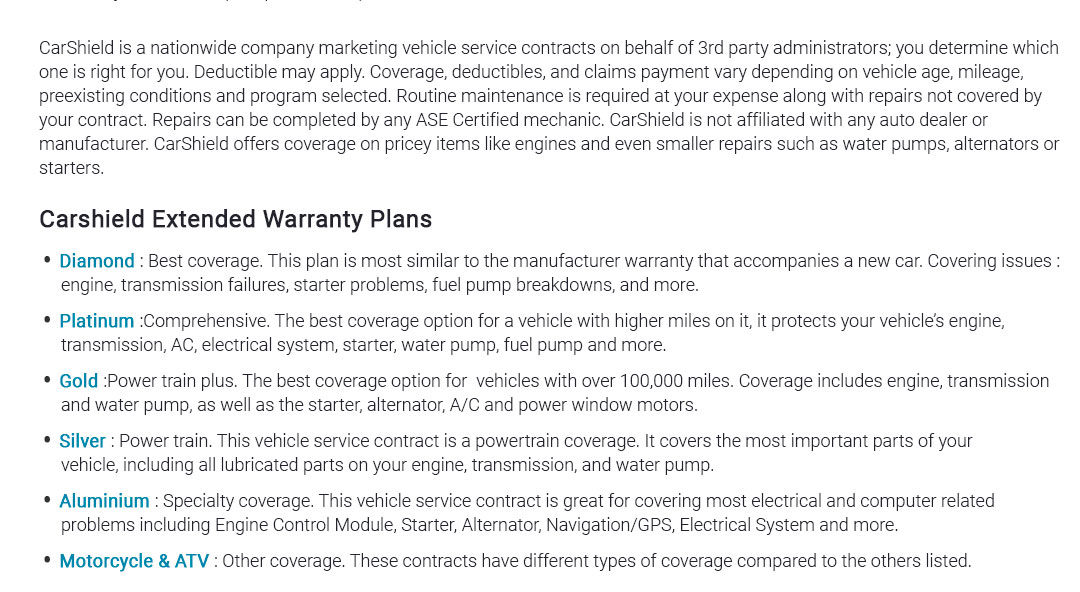
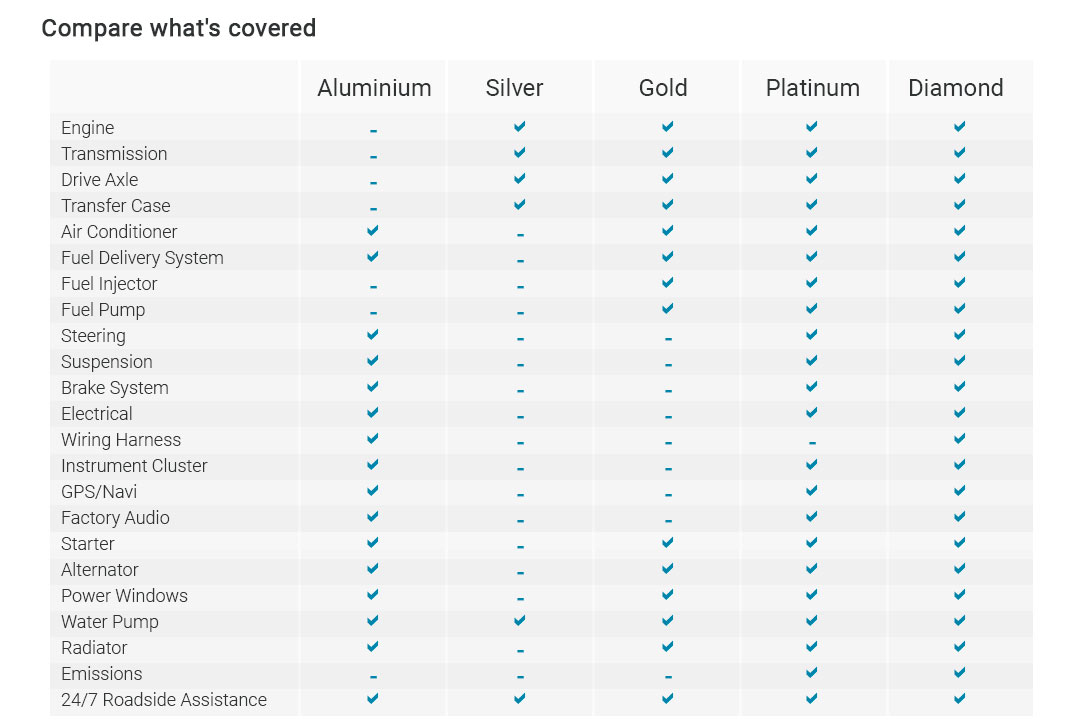
CarShield specializes in shielding our members from the high cost of automobile repairs. CarShield offers a wide range of vehicle service plans.
|
