 |
 |
 |
 |
 |
 |
 |
 |
 |
|||
 |
 |
|
|||||||
 |
|||||||
 |
|||||||
 |
|||||||
 |
|||||||
|
|||||||






|
||||||
 |
||||||
 |
||||||
 |
||||||
|






 |
 |
 |
 |
 |
 |
 |
|
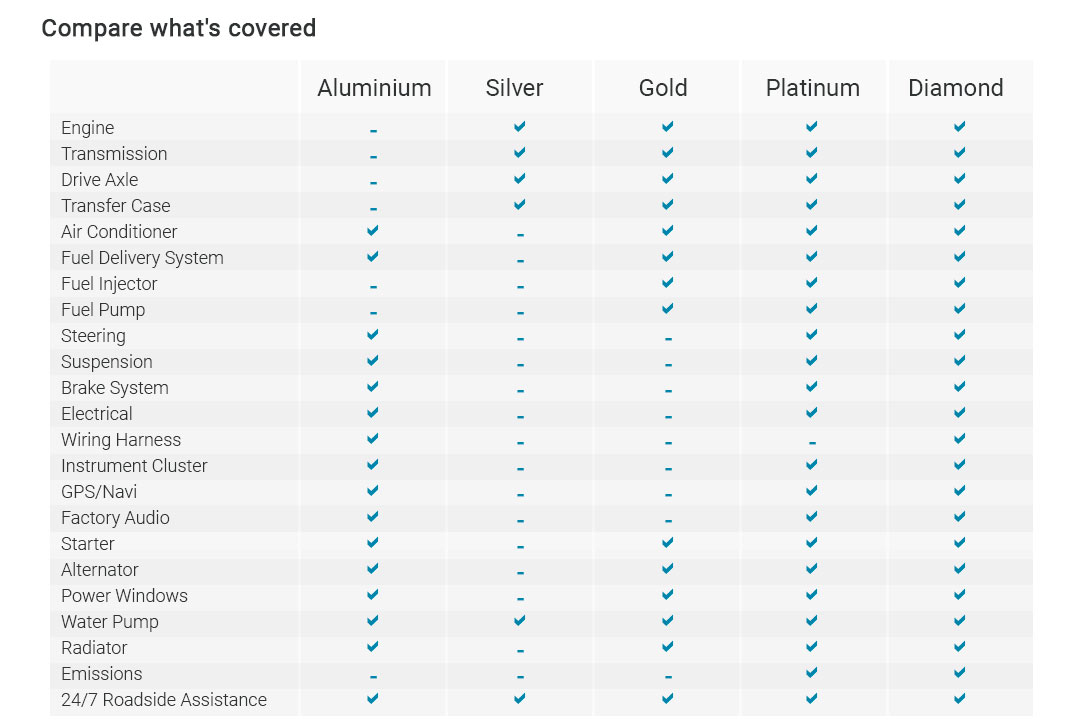
What an extended vehicle warranty covers An extended vehicle warranty is a service contract that helps pay for certain repairs after the original manufacturer warranty expires or when added protection is purchased for a used vehicle. Coverage varies by provider and plan, but it often focuses on mechanical and electrical components that can be expensive to repair. Commonly covered items may include the engine, transmission, drivetrain, air conditioning, fuel system, steering, suspension, braking components, electrical systems, and onboard technology. Some plans also include roadside assistance, towing, rental car reimbursement, or trip interruption benefits. It is important to understand that an extended warranty is not the same as routine maintenance or auto insurance. It usually does not cover oil changes, tires, brake pads, wiper blades, cosmetic damage, accident damage, or repairs caused by neglect, misuse, or unauthorized modifications. Types of extended warranty plansPowertrain coveragePowertrain plans generally cover the core parts that move the vehicle, such as the engine, transmission, and drive axle. This is usually the most basic option and may be suitable for drivers who want protection against major mechanical failures. Stated component coverageA stated component plan lists the specific parts and systems included in the contract. If a component is not listed, it is typically not covered. This option can provide broader protection than a powertrain plan while still having clear limits. Exclusionary coverageExclusionary plans are often the most comprehensive. Instead of listing every covered part, they list what is not covered. These plans may resemble a manufacturer bumper-to-bumper warranty, but exclusions, limits, and claim rules still apply. How to decide if it is worth buyingWhether an extended vehicle warranty is worth it depends on your vehicle, driving habits, repair budget, and comfort with financial risk. A driver who owns a vehicle known for costly repairs may value added protection more than someone with a newer car and a strong emergency fund.
Before purchasing a vehicle service contract, review the written agreement carefully. Sales summaries can be helpful, but the contract controls what is actually covered.
When comparing extended warranty options, focus on contract quality rather than only the price. A cheaper plan may cost more in the long run if it has narrow coverage, difficult claims procedures, or low payout limits.
A good extended vehicle warranty should clearly explain what is protected, how claims work, and what responsibilities you have as the vehicle owner. https://carshield.com/auto-warranty/
For instance, when you drive away from the lot in your new car, you may not ... https://www.kbb.com/car-advice/car-warranty-guide/
Since your warranty does not cover wear and tear, the cost will be yours to pay. Try our auto repair estimate tool to help you determine the price range for ... https://www.cars.com/car-warranty/money/best-extended-car-warranty-plans/
Endurance Best Overall; Carchex Best Claims Process; CarShield Best for Plan Selection; Concord Auto Protect Best for 24/7 Live ...
|
