 |
 |
 |
 |
 |
 |
 |
 |
 |
|||
 |
 |
|
|||||||
 |
|||||||
 |
|||||||
 |
|||||||
 |
|||||||
|
|||||||






|
||||||
 |
||||||
 |
||||||
 |
||||||
|





 |
 |
 |
 |
 |
 |
 |
|
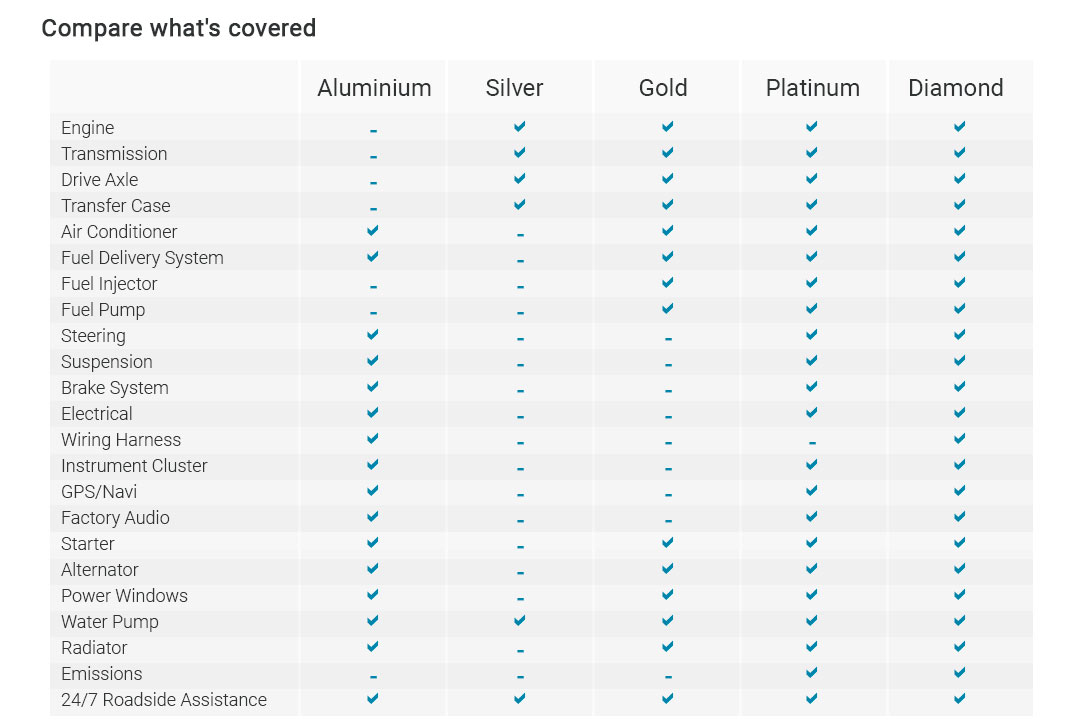
What a Basic Used Car Warranty Usually Covers A basic used car warranty is a limited protection plan that helps cover certain repair costs after you buy a pre-owned vehicle. Coverage varies by dealer, warranty provider, vehicle age, mileage, and local rules, but a basic plan usually focuses on major mechanical components rather than every part of the car. Commonly covered items may include the engine, transmission, drive axle, and selected electrical or cooling system components. Some plans also include limited roadside assistance, towing reimbursement, or rental car support, but these benefits are not automatic and should be confirmed before purchase. A basic warranty is different from full bumper-to-bumper coverage. It is normally narrower, has more exclusions, and may require you to follow specific maintenance and claim procedures. Typical Exclusions and LimitsEven when a used car comes with warranty protection, not every repair will be covered. Most basic used car warranty plans exclude wear-and-tear items, routine maintenance, cosmetic issues, and damage caused by neglect, accidents, misuse, or modifications. Items often not covered
Many plans also include deductibles, claim limits, maximum payout amounts, waiting periods, or restrictions on where repairs can be performed. Always read the contract carefully because the written terms control what is actually covered. Dealer Warranty, Manufacturer Coverage, and Service ContractsUsed car warranty protection can come from different sources. A dealer may offer a short-term limited warranty with the vehicle, a manufacturer warranty may still apply if the car is within its original coverage period, or you may be offered a separate vehicle service contract. Key differences to understand
Before agreeing to any plan, ask whether it is included in the purchase price, optional, cancellable, transferable, and backed by the dealer, manufacturer, or a third-party administrator. Questions to Ask Before You BuyBefore relying on a basic used car warranty, get clear answers in writing. Verbal promises can be difficult to prove, so the contract should match what you were told during the sale.
If the answers are unclear or the coverage sounds broader than the contract states, ask for clarification before signing. How to Use a Used Car Warranty WiselyTo get the most value from a basic used car warranty, keep maintenance records, follow the vehicle’s recommended service schedule, and report problems promptly. Delaying repairs or continuing to drive with warning lights can lead to denied claims if additional damage occurs. If a problem appears, review the warranty terms before authorizing repairs. Contact the warranty provider or dealer if pre-approval is required, and keep copies of estimates, invoices, diagnostic reports, and all communication. A warranty can reduce the risk of unexpected repair costs, but it is not a substitute for a pre-purchase inspection. Having a qualified mechanic inspect the used car before buying can help identify existing issues and give you a clearer picture of the vehicle’s condition.
Main Topic:
Types Of Used Car Warranties
https://www.nolo.com/legal-encyclopedia/car-warranties-basics-29598.html
An "automobile warranty" is a promise by a manufacturer or dealer that it will repair or replace defects in your car, or that your car will be of a certain ... https://www.endurancewarranty.com/learning-center/extended-warranty/used-cars/
That's why having the coverage of an Endurance auto protection plan, including plans that can offer basic powertrain warranty coverage, is a ... https://www.enterprisecarsales.com/used-car-faqs/warranties-add-ons/
12-Month/12,000 Mile Limited Powertrain Warranty , which comes with every car purchase, covers your car for 12 months or 12,000 miles, whichever comes first. 7- ...
|
