 |
 |
 |
 |
 |
 |
 |
 |
 |
|||
 |
 |
|
|||||||
 |
|||||||
 |
|||||||
 |
|||||||
 |
|||||||
|
|||||||






|
||||||
 |
||||||
 |
||||||
 |
||||||
|





 |
 |
 |
 |
 |
 |
 |
|
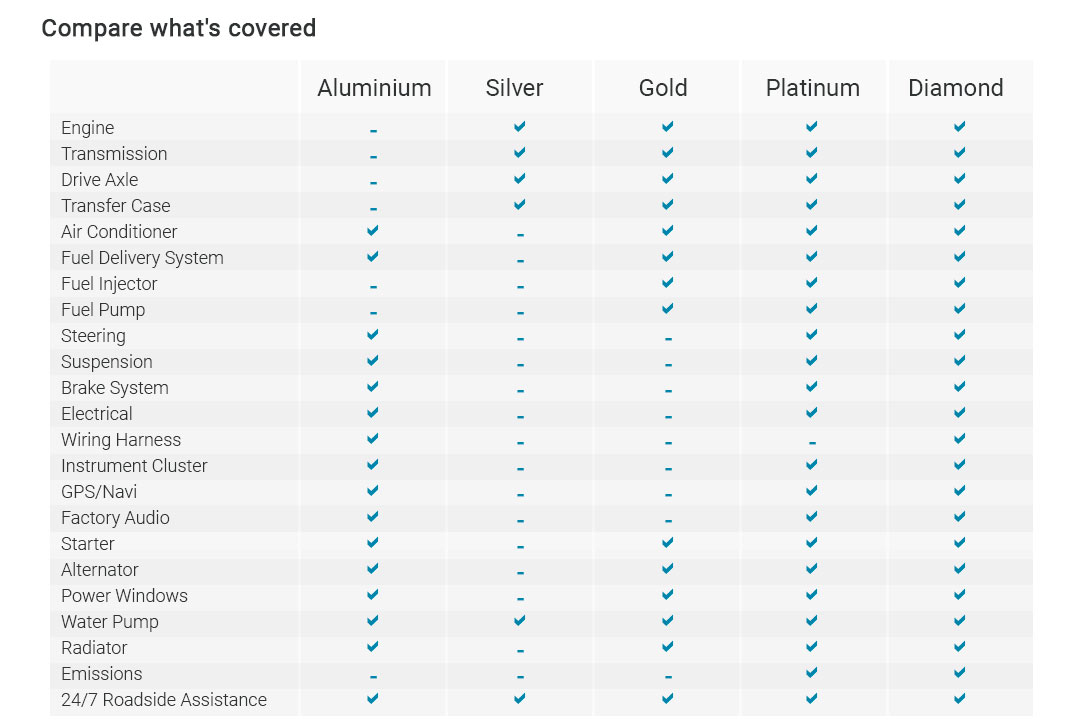
Best Extended Car Warranty GWC: What It Means If you are searching for the best extended car warranty GWC, you are likely comparing GWC Warranty coverage for a used vehicle. GWC is commonly associated with vehicle service contracts sold through participating dealerships, especially for pre-owned cars. These plans are designed to help pay for certain covered repairs after the manufacturer warranty has expired or when a used car is sold without full factory coverage. The best choice depends on your vehicle’s age, mileage, condition, driving habits, budget, and the specific contract terms offered by the dealer. Coverage, deductibles, exclusions, claim procedures, and repair facility options can vary by plan and location, so the contract details matter more than the brand name alone. What to Look for in a GWC Extended Warranty PlanCoverage levelCompare what parts and systems are included. Some plans may focus on major components such as the engine and transmission, while broader plans may include more electrical, air conditioning, steering, suspension, or technology-related components. A more expensive plan is not automatically better unless it covers the repairs most relevant to your vehicle. Exclusions and limitationsRead the exclusions carefully. Vehicle service contracts usually do not cover routine maintenance, wear items, pre-existing problems, cosmetic issues, or damage caused by neglect, misuse, modifications, or lack of maintenance. Exact exclusions depend on the contract. Deductible and claim processCheck whether the deductible is charged per repair visit or per covered component. Also confirm how claims are approved, whether repairs must be authorized before work begins, and whether you can use your preferred repair shop or must choose from approved facilities. Who GWC Warranty May Be Best ForA GWC extended warranty may be a good fit if you are buying a used vehicle and want help managing the cost of unexpected covered repairs. It can be especially useful for drivers who prefer predictable protection instead of paying fully out of pocket when a major mechanical issue occurs.
It may be less worthwhile if the vehicle is still under strong manufacturer warranty coverage, if the contract excludes the parts most likely to fail, or if the total cost is high compared with the vehicle’s expected repair risk. Questions to Ask Before Buying
To decide whether GWC offers the best extended car warranty for your situation, compare the contract against your vehicle’s likely repair needs and your financial comfort level. Look at the covered components, exclusions, deductible, claim rules, and total price. If possible, compare it with other vehicle service contract options offered for the same car. Before signing, request the full sample contract or actual agreement and read it carefully. Pay close attention to maintenance requirements, pre-authorization rules, limits of liability, and what happens if a covered repair exceeds the vehicle’s value or contract limits. The best plan is the one that clearly matches your vehicle, budget, and expectations without relying on assumptions about what is covered.
Main Topic:
Best Extended Car Warranty Coverage
https://www.consumeraffairs.com/auto_warranty/guardian_warranty.html
GWC Warranty is a good option for new or used car buyers looking for a customizable plan for their car. GWC Warranty will cover cars with up to 200,000 miles. https://www.endurancewarranty.com/learning-center/comparisons/endurance-vs-gwc-warranty/
With new and used vehicle plans, you can find a plan that fits your needs. GWC Warranty also partners with auto dealers, agents, and lenders to ... https://www.cartalk.com/extended-warranties/gwc-extended-warranty-review
GWC Warranty offers exclusionary coverage up to 150,000 miles and stated component coverage for vehicles up to 200,000 miles. That's more ...
|
