 |
 |
 |
 |
 |
 |
 |
 |
 |
|||
 |
 |
|
|||||||
 |
|||||||
 |
|||||||
 |
|||||||
 |
|||||||
|
|||||||





|
||||||
 |
||||||
 |
||||||
 |
||||||
|






 |
 |
 |
 |
 |
 |
 |
|
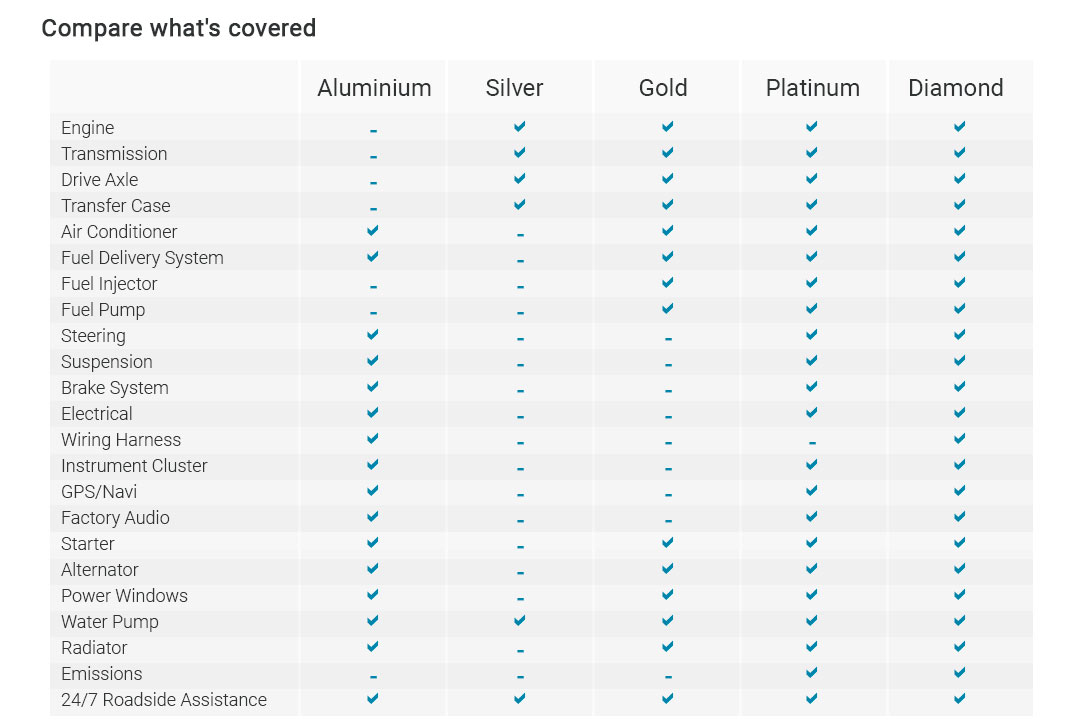
Best Used Car Powertrain Warranty: What to Look For The best used car powertrain warranty is the one that clearly protects the most expensive systems in the vehicle, fits the age and mileage of the car, and has claim terms you can realistically use. A strong plan should cover major engine, transmission, and drive axle components, explain exclusions in plain language, and allow repairs at reputable licensed facilities. For many used car buyers, powertrain protection is most useful when the vehicle is out of its original factory warranty or has higher repair risk due to age, mileage, or past ownership. Coverage quality can vary widely by dealer, vehicle manufacturer, third-party provider, and state or local rules, so the written contract matters more than the sales brochure. What a Used Car Powertrain Warranty Usually CoversA used car powertrain warranty is designed to cover the core parts that make the vehicle move. Exact coverage depends on the contract, but many plans focus on these systems:
Powertrain coverage does not usually mean bumper-to-bumper coverage. It typically excludes wear items, routine maintenance, trim, electronics, suspension, brakes, and comfort features unless the plan specifically adds them. How to Choose the Best Plan for Your VehicleMatch coverage to the car’s riskConsider the vehicle’s mileage, age, repair history, make, model, engine type, and how long you plan to keep it. A basic powertrain warranty may be enough for a simple, reliable commuter car, while a vehicle with costly drivetrain components may justify broader protection. Read the contract before agreeingThe best plan will define covered parts clearly, list exclusions, explain claim steps, and state whether prior authorization is required before repairs begin. Avoid relying only on verbal promises. Check repair flexibilitySome warranties require you to return to the selling dealer, while others allow repairs at licensed repair shops. If you travel often or buy the car far from home, repair location flexibility can be important. Compare the real costLook beyond the monthly payment or add-on price. Review the deductible, claim limits, labor rate limits, cancellation terms, transferability, and whether the warranty cost is being financed with the vehicle. Important Exclusions and ConditionsEven a good used car powertrain warranty has limits. Common exclusions may include pre-existing problems, overheating damage, lack of maintenance, modified parts, racing or commercial use, environmental damage, abuse, and failures caused by non-covered components. Maintenance records can be essential. Many contracts require proof that oil changes, fluid services, and other scheduled maintenance were completed according to the manufacturer’s recommendations. If the provider believes neglect caused the failure, a claim may be denied. Also review whether the plan has a waiting period, mileage limit, maximum payout, parts replacement rules, or restrictions on used, rebuilt, or aftermarket parts. These details can determine whether the warranty is truly helpful when a major repair is needed. Questions to Ask Before BuyingBefore choosing the best used car powertrain warranty for your situation, ask direct questions and request answers in writing when possible:
A reliable powertrain warranty should make these answers easy to find. If the terms are unclear, unusually restrictive, or inconsistent with what you were told, compare other options before committing.
Main Topic:
Used Car Warranty Companies Reviews
https://www.quora.com/Who-has-the-best-extended-warranty-for-used-cars?top_ans=1477743835244535
Is it a good idea to purchase an extended warranty on a used car? ... powertrain coverage at a minimum, or back their product for a few ... https://www.automoblog.com/reviews/auto-warranty/used-car-warranty-companies/
Endurance earned the top spot in our general auto warranty study, but it also makes a great option for used car warranties. As one of the only ... https://www.reddit.com/r/UsedCars/comments/1bev038/purchasing_a_powertrain_warranty_on_a_used_car/
I would highly recommend it as long as the warranty is from a reputable company and make sure it covers more than just basic shit. I just bought ...
|
