 |
 |
 |
 |
 |
 |
 |
 |
 |
|||
 |
 |
|
|||||||
 |
|||||||
 |
|||||||
 |
|||||||
 |
|||||||
|
|||||||






|
||||||
 |
||||||
 |
||||||
 |
||||||
|





 |
 |
 |
 |
 |
 |
 |
|
What “Best Used Car Warranty Prices” Really Means The best used car warranty prices are not simply the lowest advertised rates. A good price is one that matches your vehicle, driving habits, repair risk, and the level of protection you actually need. A cheap plan may cost more in the long run if it excludes major repairs, has a high deductible, or limits where you can take the vehicle for service. Used car warranty pricing varies by provider, vehicle age, mileage, make, model, coverage level, deductible, contract length, and location. Luxury vehicles, high-mileage cars, and models with expensive parts often cost more to protect. The most accurate way to compare prices is to request written quotes for the same vehicle and similar coverage terms. Main Factors That Affect Used Car Warranty CostVehicle detailsYour car’s age, mileage, repair history, brand, engine type, and availability of parts can all affect the price. A newer used car with lower mileage is usually easier to cover than an older vehicle with extensive use. Coverage levelBasic powertrain coverage generally protects fewer components, while more comprehensive plans may include systems such as air conditioning, electrical parts, steering, suspension, and technology features. Broader coverage usually costs more. Deductible and claim termsA higher deductible may lower the plan cost, while a lower deductible can increase it. Also compare claim limits, labor coverage, diagnostic fees, waiting periods, and whether repairs must be pre-authorized. Contract lengthLonger plans may have a higher total cost, but the value depends on how long you plan to keep the car and how many miles you expect to drive. How to Compare Used Car Warranty Prices Fairly
Powertrain coverageThis type usually focuses on major components such as the engine, transmission, and drivetrain. It may be suitable for drivers who want protection against expensive core mechanical failures but do not need broad coverage. Stated-component coverageThis plan lists the specific parts and systems covered. It can offer a balance between price and protection, but you should read the covered component list carefully. Exclusionary coverageThis is often the broadest type of used car warranty coverage because it lists what is not covered instead of only naming covered parts. It may be more expensive, but it can offer stronger protection for eligible vehicles. Dealer-backed and third-party plansDealers, manufacturers, and independent warranty companies may all offer plans. Prices, claim handling, repair networks, and coverage details can vary significantly, so written comparisons are important. Choosing the Best Value for Your Used CarTo find the best value, start with your vehicle’s condition and your tolerance for repair risk. If your car is still relatively new and has many complex features, broader coverage may be worth considering. If the vehicle is older, has very high mileage, or you plan to replace it soon, a shorter or more limited plan may be more practical. Before buying, ask for the full contract, not just a brochure or sales summary. Look for covered parts, exclusions, deductibles, claim limits, maintenance requirements, cancellation rules, and whether the warranty begins immediately or after a waiting period. The best used car warranty prices come from comparing real contract terms, not just the monthly payment.
Main Topic:
What Is Used Car Warranty
https://www.automoblog.com/reviews/auto-warranty/ohio-used-car-warranty/
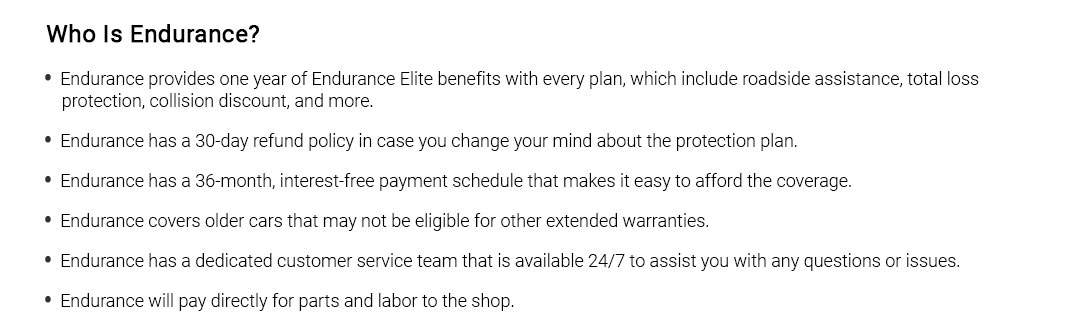
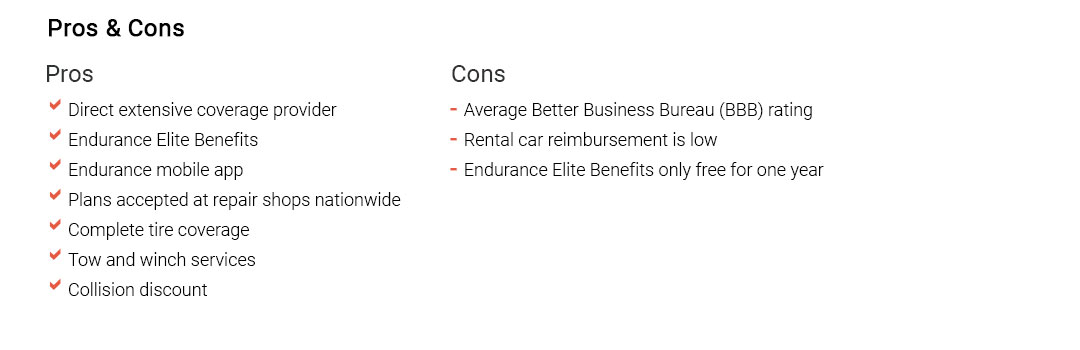
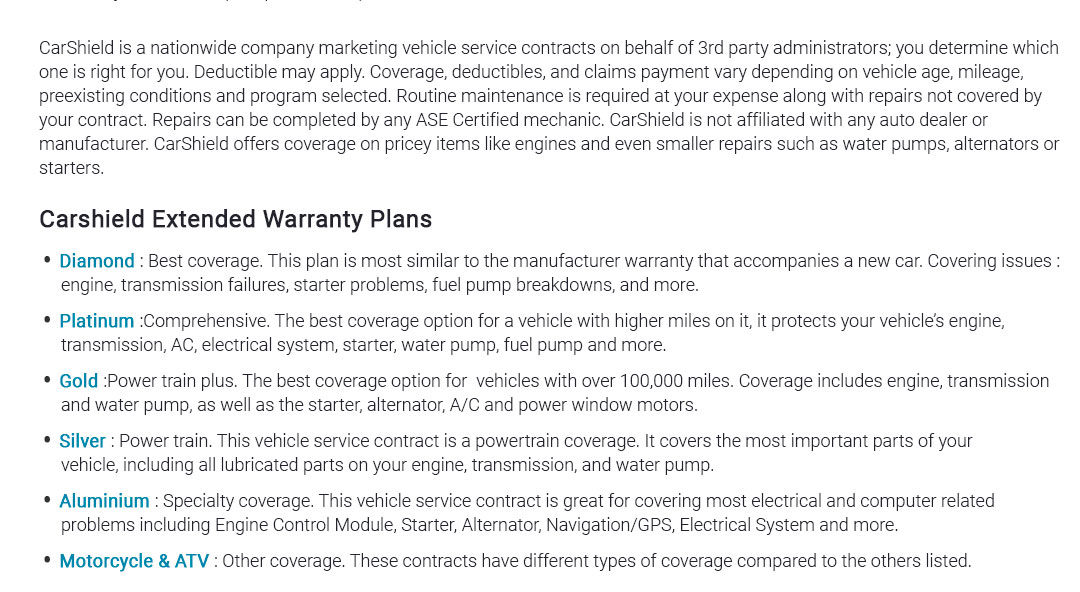
If you're looking for a place to start with your extended auto warranty research, we recommend reaching out to Endurance, CARCHEX and CarShield. https://www.lendingtree.com/auto/extended-car-warranty/
The cost of your extended vehicle warranty depends on a variety of factors, like the make, model and age of your car. However, you'll typically ... https://www.quora.com/When-buying-a-low-mileage-certified-vehicle-what-is-the-best-extended-warranty-service-to-purchase-Of-course-the-dealership-has-an-expensive-option-but-I-want-other-selections
For buying extended warranties in general, I'd recommend Warranty Life (www.warrantylife.com) as they have better prices than buying at the ...
|
