 |
 |
 |
 |
 |
 |
 |
 |
 |
|||
 |
 |
|
|||||||
 |
|||||||
 |
|||||||
 |
|||||||
 |
|||||||
|
|||||||







|
||||||
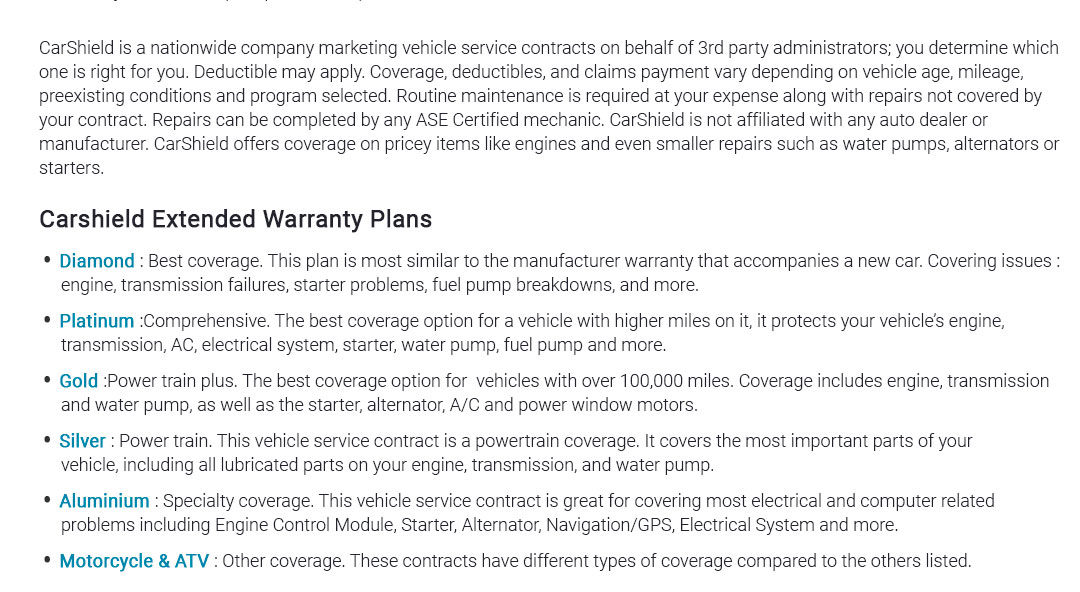 |
||||||
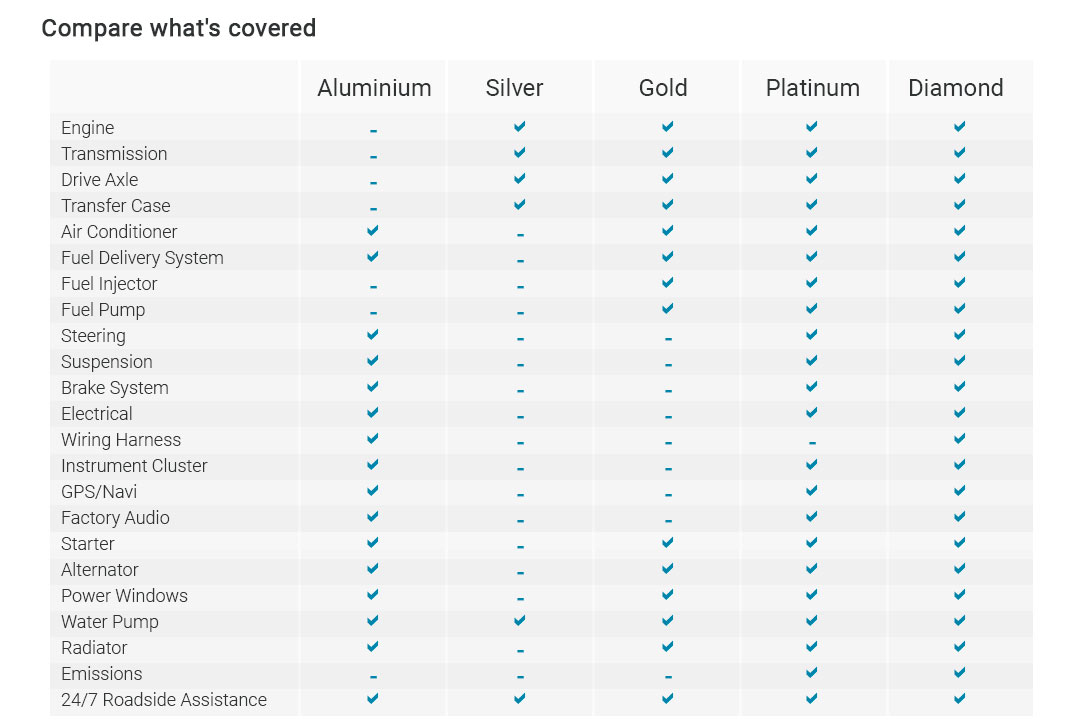 |
||||||
 |
||||||
|






 |
 |
 |
 |
 |
 |
 |
|
What Bumper to Bumper Warranty Cars Usually Cover Bumper to bumper warranty cars are vehicles protected by a comprehensive warranty that covers many factory-installed parts and systems for a limited period. Despite the name, this type of warranty does not cover every part from the front bumper to the rear bumper. It is often called an exclusionary warranty because it may cover most components unless they are specifically listed as excluded. Coverage commonly includes major electrical components, air conditioning, infotainment systems, power windows, door locks, steering components, suspension parts, and many interior and exterior factory-installed items. Exact coverage depends on the vehicle brand, warranty provider, plan level, mileage, and the terms in the contract. What Is Usually Not IncludedA bumper to bumper warranty normally excludes routine maintenance, wear-and-tear items, cosmetic damage, and damage caused by misuse, accidents, neglect, modifications, or environmental conditions. Common exclusions may include tires, brake pads, wiper blades, bulbs, upholstery wear, paint chips, glass damage, filters, fluids, and scheduled service items. Some warranties also limit coverage for batteries, audio equipment, navigation systems, seals, gaskets, or hybrid and electric vehicle components. Because exclusions vary widely, the written warranty contract is the most important document to review before buying or relying on coverage. New, Used, and Certified Pre-Owned Warranty DifferencesNew cars often include a factory bumper to bumper warranty from the manufacturer. This coverage usually begins when the vehicle is first placed in service and ends when the time limit or mileage limit is reached, whichever comes first. Used cars may still have remaining factory coverage if the original warranty has not expired. Certified pre-owned vehicles may include added limited warranty protection, but the coverage may differ from the original new-car warranty. Some dealers and third-party providers also sell extended service contracts that resemble bumper to bumper coverage, although they are not always the same as a manufacturer warranty. How to Compare Bumper to Bumper Warranty Cars
A bumper to bumper warranty can be valuable if you want protection from unexpected repair costs on complex vehicle systems. It may be especially useful for cars with advanced electronics, comfort features, sensors, and technology packages that can be costly to diagnose and repair. The best choice depends on the car’s reliability, age, mileage, repair history, how long you plan to keep it, and the cost of the warranty compared with potential repairs. Before choosing between bumper to bumper warranty cars, compare the actual contract terms rather than relying only on the name of the warranty.
Main Topic:
Car Warranty What Is Covered
Explore More:
Jeep Warranty Bumper To Bumper
Bumper To Bumper Warranty Corrosion
100000 Bumper To Bumper Warranty
Genesis Bumper To Bumper Warranty
Bumper To Bumper Warranty Gm
Bumper To Bumper Unlimited Warranty
Comprehensive Bumper To Bumper Warranty
Warranty Of Electronics In Cars
Longest Bumper To Bumper Warranty
Bumper To Bumper Warranty Windshield
Lifetime Warranty Cars Pittsburgh
Jaguar Bumper To Bumper Warranty
Cheapest Bumper To Bumper Warranty
Basic Bumper To Bumper Warranty
Cadillac Bumper To Bumper Warranty
https://www.jdpower.com/cars/shopping-guides/what-is-a-bumper-to-bumper-warranty
A bumper-to-bumper warranty, often known as a comprehensive warranty, covers most vehicle items between your vehicle's front and rear bumpers. https://www.endurancewarranty.com/learning-center/extended-warranty/what-is-bumper-to-bumper/
While three years or 36,000 miles (whichever comes first) is the standard term for most new car bumper-to-bumper warranties from mainstream ... https://cars.usnews.com/cars-trucks/advice/bumper-to-bumper-warranty
Bumper-to-Bumper New Car Warranties. When you buy a new vehicle, it comes with a manufacturer-backed bumper-to-bumper warranty. Depending on the ...
|
