 |
 |
 |
 |
 |
 |
 |
 |
 |
|||
 |
 |
|
|||||||
 |
|||||||
 |
|||||||
 |
|||||||
 |
|||||||
|
|||||||






|
||||||
 |
||||||
 |
||||||
 |
||||||
|






 |
 |
 |
 |
 |
 |
 |
|
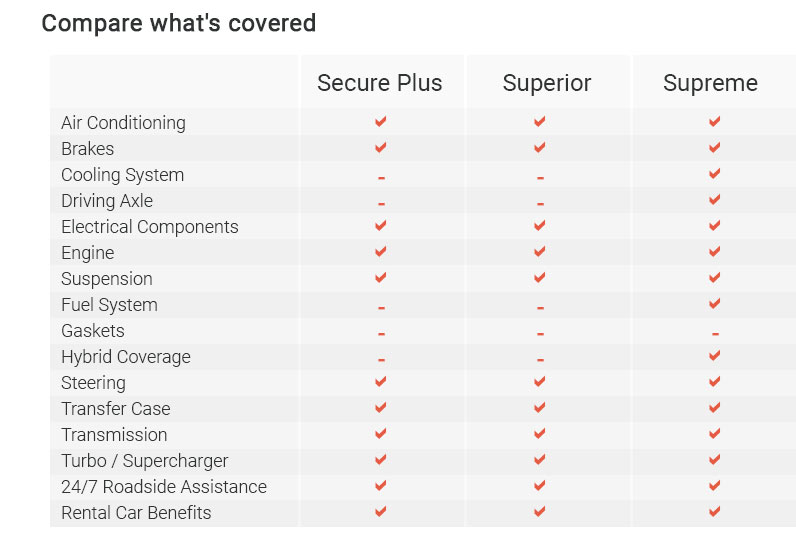
Should You Buy a Car Extended Warranty? Deciding whether to buy a car extended warranty depends on your vehicle, budget, driving habits, and tolerance for repair risk. An extended warranty, often called a vehicle service contract, can help cover certain repairs after the manufacturer’s original warranty expires. It is not the same as car insurance, routine maintenance coverage, or a guarantee that every mechanical issue will be paid for. This type of protection may be useful if you plan to keep your car for several years, drive high mileage, or own a model with potentially expensive repairs. It may be less valuable if your vehicle is still under strong factory coverage, you have reliable savings for repairs, or the contract excludes the parts most likely to fail. What a Car Extended Warranty Usually CoversCoverage varies widely by provider and plan, so the contract details matter more than the sales description. Some plans are basic and cover only major components, while others are more comprehensive. Common covered areas
Many plans also offer benefits such as roadside assistance, rental car reimbursement, or trip interruption support, but these benefits often have limits and conditions. Important Exclusions and Fine PrintBefore you buy a car extended warranty, review the exclusions carefully. A contract can appear comprehensive but still leave out common expenses. Items often not covered
Pay attention to deductibles, claim approval rules, repair facility restrictions, cancellation terms, transferability, and whether the plan pays the repair shop directly or requires reimbursement. How to Compare Extended Warranty OptionsNot all providers offer the same value. Compare plans based on the actual contract, not only the monthly payment or the longest coverage term.
If you are buying from a dealership, compare the dealer’s offer with third-party options. Prices and coverage can vary, and some contract terms may be negotiable. When an Extended Warranty Makes SenseAn extended warranty can make sense when the potential repair costs would create financial stress and the coverage matches your real risks. It may be especially worth considering for used vehicles, high-mileage drivers, complex modern cars, or owners who prefer predictable repair protection over paying out of pocket. It may not be the best choice if the contract is expensive compared with likely repairs, the exclusions are broad, the provider has restrictive claim rules, or you are likely to sell the car soon. A strong emergency fund can sometimes be a better alternative. Before signing, request the full contract, read the covered parts and exclusions, confirm the total cost, and make sure all promises are written into the agreement. The best time to buy is when you understand exactly what is covered, what is not, and how claims will be handled.
Main Topic:
Car Extended Warranty Worth Buying
https://www.quora.com/Have-you-ever-regretted-purchasing-an-extended-warranty-on-a-used-vehicle-you-bought
No but generally it's a waste of money if you spend a bit more by purchasing a certified used car with a written warranty from the dealer not a ... https://caredge.com/warranty
Yes, an extended warranty is highly recommended for used cars. Your OEM warranty may have limited coverage or might have expired based on the age or mileage of ... https://www.hoffmanauto.com/extended-car-warranty-options.htm
Our car dealerships in East Hartford are proud to offer a variety of extended warranty options designed to provide complete peace of mind even after the ...
|
