 |
 |
 |
 |
 |
 |
 |
 |
 |
|||
 |
 |
|
|||||||
 |
|||||||
 |
|||||||
 |
|||||||
 |
|||||||
|
|||||||






|
||||||
 |
||||||
 |
||||||
 |
||||||
|





 |
 |
 |
 |
 |
 |
 |
|
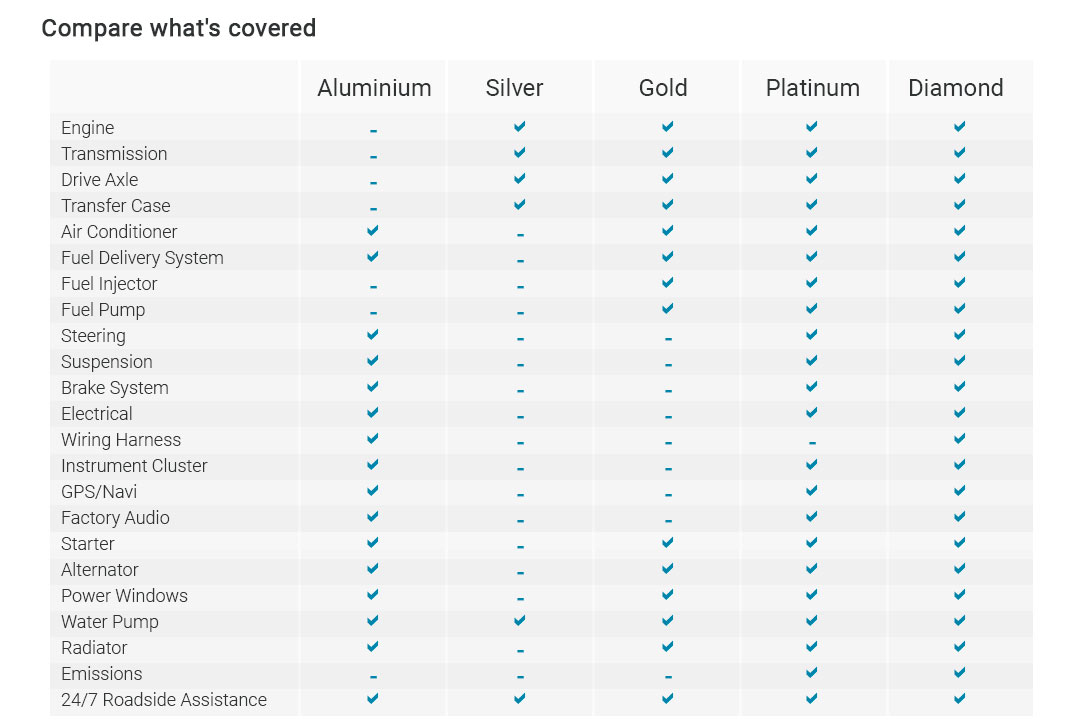
Buy a warranty for car: what it usually means When people search to buy a warranty for car, they are usually looking for protection against certain repair costs after the manufacturer’s original warranty has ended or when buying a used vehicle. This is often called an extended car warranty, vehicle service contract, or mechanical breakdown protection. Coverage can vary widely. Some plans focus on major components such as the engine and transmission, while others include more systems like air conditioning, electrical parts, steering, suspension, or onboard technology. The right choice depends on the car’s age, mileage, reliability, repair history, how long you plan to keep it, and your budget for unexpected repairs. What a car warranty may coverA car warranty or vehicle service contract is not the same as regular insurance. It is designed to help pay for covered mechanical or electrical failures, subject to the terms of the plan. Common coverage areas
Always read the contract carefully because covered parts, claim limits, labor rates, deductibles, and repair facility rules can differ by provider and plan. What is often not includedBefore you buy a warranty for your car, check the exclusions. Many disputes happen because a driver assumes a repair is covered when the contract says otherwise. Typical exclusions to review
Some plans also have waiting periods, inspection requirements, mileage limits, or maintenance record requirements. These details matter as much as the headline coverage. How to choose the right car warrantyThe best warranty is not always the longest or the cheapest. It is the one that matches your vehicle, driving habits, and comfort with repair risk.
If the vehicle is older, has high mileage, or has a known history of expensive repairs, a plan may be useful. If the car is reliable and you have savings for repairs, setting money aside may be a better option. Questions to ask before buyingBefore signing, ask clear questions and get the answers in writing. A trustworthy provider should be able to explain the contract without pressure or vague promises. Important questions
Buying a car warranty can provide peace of mind, but only when the coverage, cost, exclusions, and claims process make sense for your situation. Take time to compare contracts side by side and avoid relying only on sales summaries.
Main Topic:
Best Warranty For My Car
https://www.caranddriver.com/auto-loans/a41868076/how-much-is-an-extended-car-warranty/
You'll first have a manufacturer's warranty. This is the warranty you get when you buy a new car. It has a time limit or a mileage limit. At ... https://cars.usnews.com/cars-trucks/advice/used-car-warranty
But if you're buying a used car, it may not come with a warranty. Some do offer manufacturer coverage, based on specific conditions set out by ... https://www.progressive.com/answers/extended-warranties-for-cars/
Extended car warranties may also be referred to as vehicle service contracts. What does an extended car warranty cover? Extended car warranties typically cover ...
|
