 |
 |
 |
 |
 |
 |
 |
 |
 |
|||
 |
 |
|
|||||||
 |
|||||||
 |
|||||||
 |
|||||||
 |
|||||||
|
|||||||






|
||||||
 |
||||||
 |
||||||
 |
||||||
|





 |
 |
 |
 |
 |
 |
 |
|
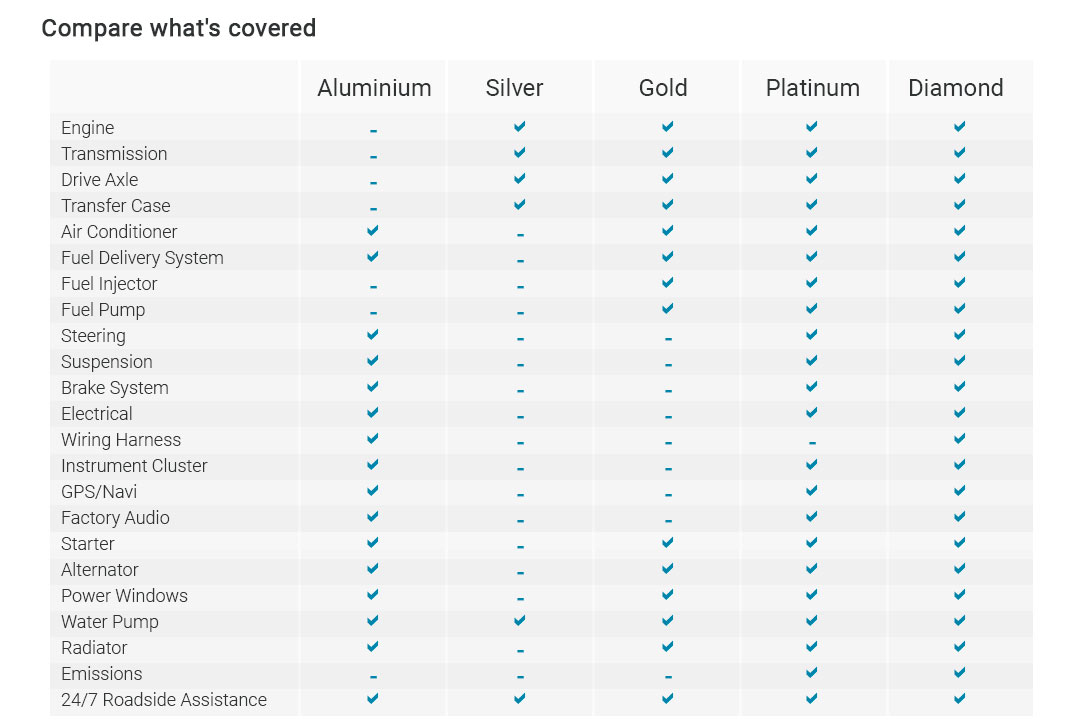
Should You Buy Car Warranty or Not? Deciding whether to buy car warranty or not depends on your vehicle, your budget, and your tolerance for repair risk. A car warranty can make sense if you want predictable costs and protection from expensive mechanical or electrical failures. It may not be worth it if the coverage is limited, the price is high, or your car is already known for low repair costs. For a new car, the manufacturer’s original warranty may already provide enough protection for the first few years. For a used car, an extended warranty or vehicle service contract may be more useful, especially if the car has complex technology, a higher mileage history, or uncertain maintenance records. What a Car Warranty Usually CoversCar warranty coverage varies by provider, vehicle age, mileage, and contract type. Before buying, read the terms carefully rather than relying on a sales summary. Common types of coverage
Common exclusions
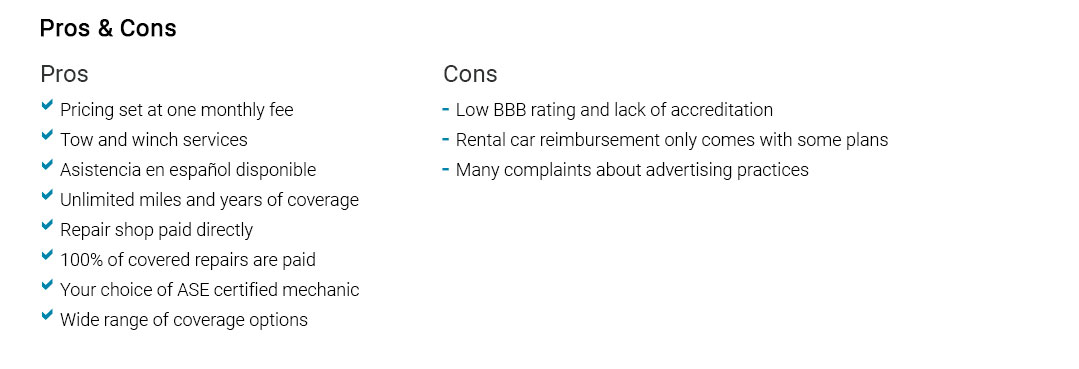
A car warranty may be worth considering if the possible repair costs would be difficult for you to pay out of pocket. It can also be helpful if you prefer financial predictability over taking on repair risk yourself.
You may decide not to buy a car warranty if the cost is high compared with the likely value of the coverage. In some cases, setting aside money for repairs can be a better option than paying for a contract with many exclusions.
Before you buy car warranty coverage or decline it, compare the contract against your actual needs. The best choice is the one that fits your vehicle, ownership plans, and financial comfort level.
Bottom line: Buy a car warranty if it offers broad, clear coverage at a fair cost and protects you from repair bills you do not want to risk. Skip it if the plan is expensive, restrictive, or duplicates coverage you already have.
Main Topic:
Should You Buy Car Warranty
https://www.neamb.com/your-car/6-questions-to-ask-before-buying-an-extended-vehicle-warranty
If you're the kind of person who has extra money and doesn't mind a bit of risk, then an extended warranty may not be a priority for you. However, if you ... https://www.autotrader.com/car-shopping/buying-a-used-car-should-you-walk-away-from-an-extended-warranty
Generally, no. However, there are exceptions. If your used vehicle has a history of expensive repair issues, the deductible is low, the warranty ... https://cars.usnews.com/cars-trucks/advice/should-you-buy-an-extended-warranty-for-used-car
Limited coverage and loopholes are a concern. Not all repairs are covered under an extended warranty. Wear-and-tear items, regular maintenance ...
|
