 |
 |
 |
 |
 |
 |
 |
 |
 |
|||
 |
 |
|
|||||||
 |
|||||||
 |
|||||||
 |
|||||||
 |
|||||||
|
|||||||






|
||||||
 |
||||||
 |
||||||
 |
||||||
|





 |
 |
 |
 |
 |
 |
 |
|
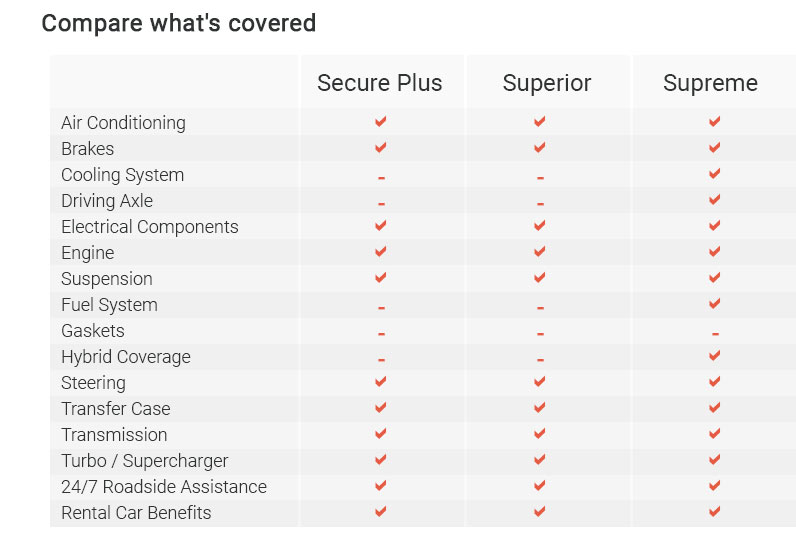
What Buying Car Warranty Cost Really Includes Buying car warranty cost is not just the price printed on a contract. The total cost usually includes the plan price, any deductible you pay per repair visit, possible diagnostic fees, taxes or administrative charges, and any finance charges if the warranty is rolled into a vehicle loan. A car warranty or vehicle service contract may help pay for covered mechanical or electrical repairs after the manufacturer’s warranty ends. Coverage varies widely, so the cheapest plan is not always the best value. A useful comparison looks at what is covered, what is excluded, how claims are handled, and how much you could pay out of pocket. Main Factors That Affect the CostVehicle age and mileageOlder vehicles and higher-mileage cars often cost more to protect because repair risk is generally higher. Some providers may also limit coverage options based on the vehicle’s condition, mileage, or model. Make, model, and repair complexityLuxury vehicles, performance models, hybrids, electric vehicles, and cars with advanced electronics can have higher warranty costs because covered repairs may be more complex or expensive. Coverage levelBasic powertrain coverage usually protects fewer components, while more comprehensive plans may include major systems such as air conditioning, steering, suspension, electronics, and onboard technology. Broader coverage typically costs more. Deductible amountA higher deductible can lower the upfront plan price, while a lower deductible may increase it. Compare both the plan cost and the amount you would pay when a covered repair is approved. Contract lengthLonger terms or higher mileage limits often increase the total cost. Make sure the term matches how long you realistically plan to keep the vehicle. How to Compare Warranty PricesTo compare car warranty prices fairly, ask each provider for the same type of coverage, deductible, term length, and mileage limit. A plan that looks inexpensive may cover fewer parts, require a higher deductible, or include stricter claim rules.
A dealer-sold warranty may be convenient because it can be purchased during the car sale and may be included in financing. However, financing the warranty can increase the total amount paid over time if interest applies. The available coverage may also depend on the dealer, vehicle, and plan administrator. A third-party warranty may offer more plan options or repair facility flexibility, but quality varies by provider and contract. Before buying, review the actual agreement, not just the brochure or sales summary. The administrator, claim process, exclusions, and cancellation policy matter as much as the advertised price. Whether buying from a dealer or an independent provider, avoid deciding based only on monthly payment. Focus on the full contract price, deductible, coverage limits, and whether the protection fits your vehicle and driving plans. Is the Cost Worth It?The cost of buying a car warranty may be worth it if you want more predictable repair expenses, plan to keep the vehicle beyond the factory warranty, or own a car that could have costly covered repairs. It may be less useful if the vehicle is still under strong manufacturer coverage, you plan to sell soon, or you prefer to set aside money for repairs yourself. Before signing, read the full contract and ask these questions:
A good warranty decision comes from matching the plan to your vehicle, budget, risk tolerance, and how long you expect to drive the car.
Main Topic:
Extended Vehicle Warranty
https://autopom.com/extended-car-warranty-cost/
The average monthly extended car warranty cost in the United States ranges from $125 to $325. Annually, you can expect to pay between $1,500 and ... https://privateauto.com/warranty/cars/extended-warranty-cost
If you purchase an extended warranty from the car manufacturer directly, it will run you about $1,000 to $1,500. If you buy coverage from a third party in the ... https://www.endurancewarranty.com/learning-center/cost-price/extended-warranty-for-used-cars-cost-finding-the-best-price/
Typically, the average cost of an extended warranty for a used car is around $1,000 per year, but every vehicle and contract is different. For ...
|
