 |
 |
 |
 |
 |
 |
 |
 |
 |
|||
 |
 |
|
|||||||
 |
|||||||
 |
|||||||
 |
|||||||
 |
|||||||
|
|||||||






|
||||||
 |
||||||
 |
||||||
 |
||||||
|






 |
 |
 |
 |
 |
 |
 |
|
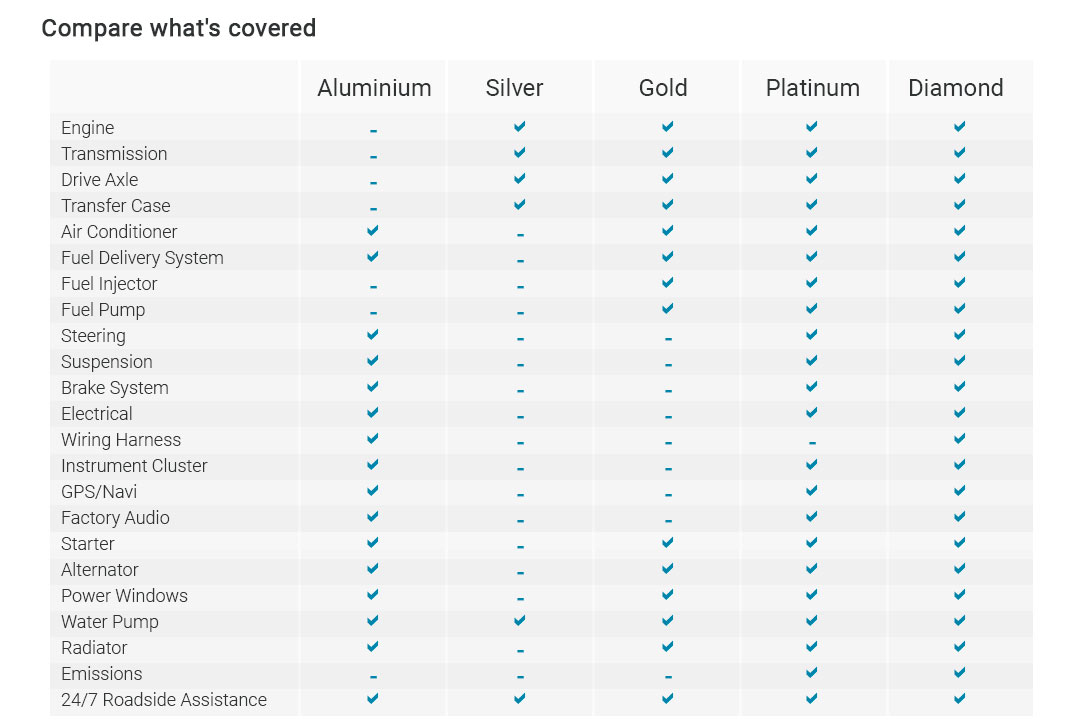
Car Warranty Companies Comparison: What You Are Really Comparing A useful car warranty companies comparison looks beyond brand names and focuses on what each provider actually covers, how claims are handled, and what you may pay out of pocket. Most plans sold outside the original factory warranty are technically vehicle service contracts, but many drivers refer to them as extended car warranties. The best choice depends on your vehicle’s age, mileage, reliability history, repair costs, driving habits, and how long you plan to keep the car. A newer low-mileage vehicle may need different protection than an older car with expensive electronic, transmission, or engine components. Key Coverage Types to CompareExclusionary coverageThis is usually the most comprehensive option. It lists what is not covered instead of listing every covered part. It can be a strong fit for drivers who want coverage close to a factory warranty, but exclusions, maintenance requirements, and claim limits still matter. Stated-component coverageThis plan covers only the parts named in the contract, such as engine, transmission, drivetrain, air conditioning, electrical systems, or suspension components. It is often less broad than exclusionary coverage but may cost less. Powertrain coveragePowertrain plans typically focus on the engine, transmission, and drive axle. They may suit drivers who mainly want protection against major mechanical failures, but they usually do not cover many comfort, technology, or electrical repairs. Specialized plansSome providers may offer coverage for high-mileage vehicles, used cars, luxury models, hybrids, electric vehicles, or roadside benefits. Availability and covered components vary by company, vehicle, and location. How to Evaluate Car Warranty Companies Side by Side
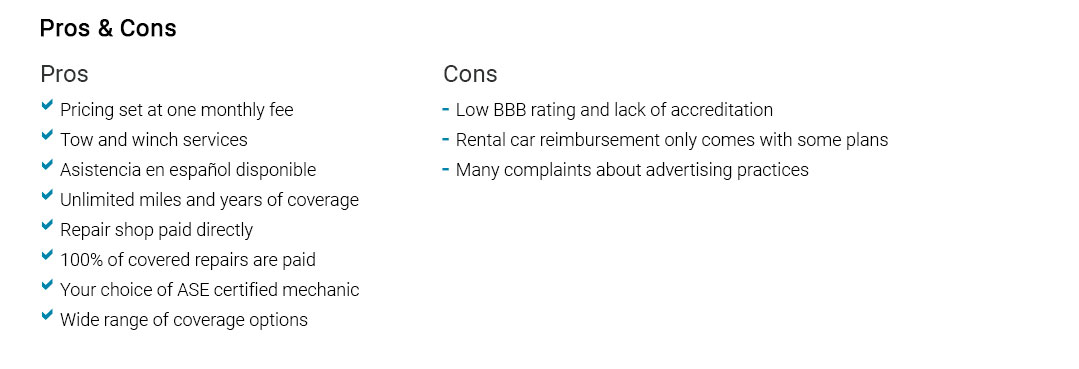
Two car warranty companies may appear similar until you compare the fine print. Pay close attention to maintenance requirements, because missed oil changes or incomplete service records can lead to denied claims. Also review limits on labor rates, parts replacement, diagnostic fees, seals and gaskets, fluids, taxes, and consequential damage. Benefits such as towing, roadside assistance, rental car reimbursement, trip interruption coverage, or lockout help can add convenience, but they should not replace careful review of repair coverage. These extras often have limits and may vary by plan level. Coverage also depends on where you live. Some contracts, cancellation rules, and provider availability differ by state or province. Always confirm that the company can sell and administer the plan in your area before comparing it as a serious option. Choosing the Right Provider for Your VehicleStart by estimating your risk. If your vehicle is still covered by the manufacturer’s warranty, check what remains before buying additional protection. If the factory warranty has expired, compare the cost of a service contract with the likely cost of repairs you are trying to avoid.
A strong car warranty companies comparison should leave you with a clear answer to one question: does the contract protect the parts you are most concerned about at a cost and claims process you can accept?
Main Topic:
Extended Vehicle Warranty
https://money.com/best-extended-car-warranties/
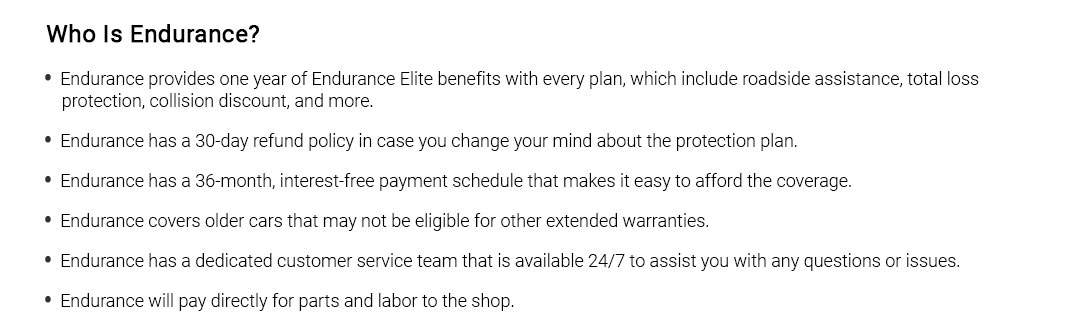
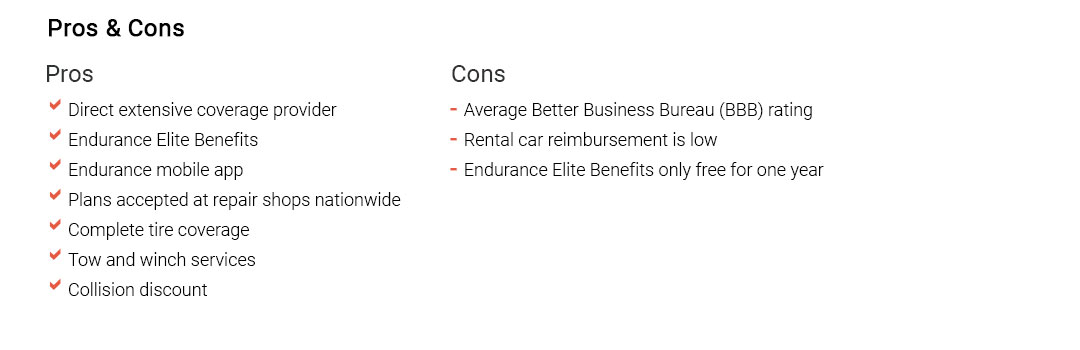
Endurance stands out because it is the rare extended car warranty company that doesn't list a specific vehicle mileage maximum for coverage. https://www.marketwatch.com/insurance-services/car-warranty/best-car-warranty/
Our comprehensive review process found that Endurance, autopom!, Carchex and Everything Breaks have the best third-party car warranty coverage. https://www.automoblog.com/reviews/auto-warranty/cheap-car-warranty/
Cheap Car Warranty Companies - Endurance: Best Value Extended Car Warranty - autopom!: Cheap Extended Warranty With The Best Claims Process.
|
