 |
 |
 |
 |
 |
 |
 |
 |
 |
|||
 |
 |
|
|||||||
 |
|||||||
 |
|||||||
 |
|||||||
 |
|||||||
|
|||||||






|
||||||
 |
||||||
 |
||||||
 |
||||||
|






 |
 |
 |
 |
 |
 |
 |
|
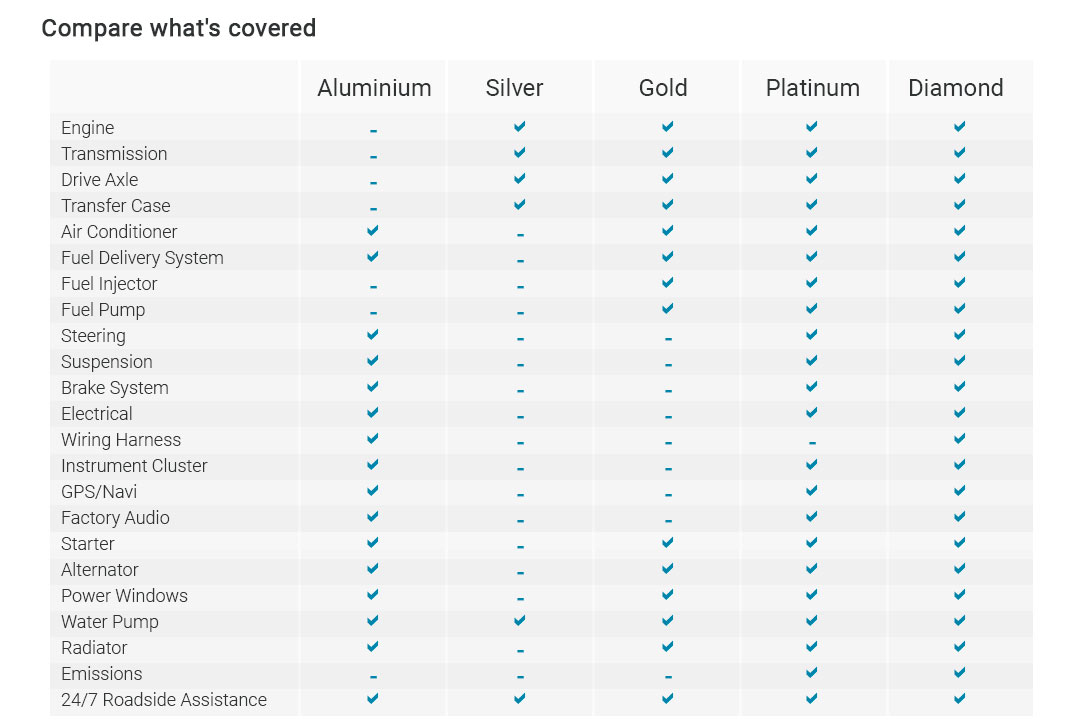
Car warranty go compare guide If you are looking for car warranty go compare information, the main goal is usually to compare warranty cover before paying for repairs out of pocket. A car warranty is designed to help with the cost of certain mechanical or electrical failures after the manufacturer warranty has ended or when a used car is bought without strong protection. Warranty cover is not the same as car insurance. Insurance usually deals with accidents, theft, fire, and third-party liability, while a warranty focuses on unexpected component failure. The right choice depends on the age of the vehicle, mileage, service history, how long you plan to keep it, and the level of repair risk you are comfortable carrying yourself. What a car warranty may coverCar warranty plans vary widely by provider, vehicle, and policy level. Some focus on major mechanical parts, while others include broader electrical and convenience features. Always read the policy wording before deciding. Commonly covered areas
Some warranties also offer extras such as roadside assistance, recovery, car hire, or contribution toward onward travel, but these benefits are not universal. How to compare car warranty policies properlyWhen you compare car warranty options, do not focus only on the headline level of cover. Two policies with similar names can provide very different protection once exclusions, claim limits, and repair rules are considered. Key comparison points
The value of a car warranty is often determined by what it excludes. A policy may look comprehensive but still reject claims if the fault is linked to poor maintenance, pre-existing issues, misuse, or parts classed as consumables. Common exclusions
Keep service records, invoices, and repair paperwork. Providers may ask for evidence that the car has been maintained according to the required schedule before approving a claim. Choosing the right warranty for your carThe best warranty is the one that matches your vehicle and your likely repair concerns. A newer used car with full service history may need different cover from an older high-mileage vehicle. A basic plan can suit drivers who only want help with major failures, while a more comprehensive plan may be better for cars with complex electronics or expensive parts. Before you buy
If any wording is unclear, ask the provider to explain it before purchase. A clear understanding of cover, limits, and exclusions helps you choose a car warranty with confidence.
Main Topic:
How To Get Car Warranty
https://www.gocompare.com/car-warranty/guide/your-rights-when-buying-a-car/
Price reduction If the repair or replacement solutions are not available, you can claim a reduction in the price. You'll get a partial refund ... https://www.gocompare.com/breakdown-cover/
You can buy breakdown cover as an optional extra on your car insurance , but it's an extra cost and it might not provide everything you need. https://www.gocompare.com/van-insurance/van-warranty/
Warranties and insurance policies work differently. A warranty covers you for repairs to parts that fail on their own in other words, damage that's not your ...
|
