 |
 |
 |
 |
 |
 |
 |
 |
 |
|||
 |
 |
|
|||||||
 |
|||||||
 |
|||||||
 |
|||||||
 |
|||||||
|
|||||||






|
||||||
 |
||||||
 |
||||||
 |
||||||
|






 |
 |
 |
 |
 |
 |
 |
|
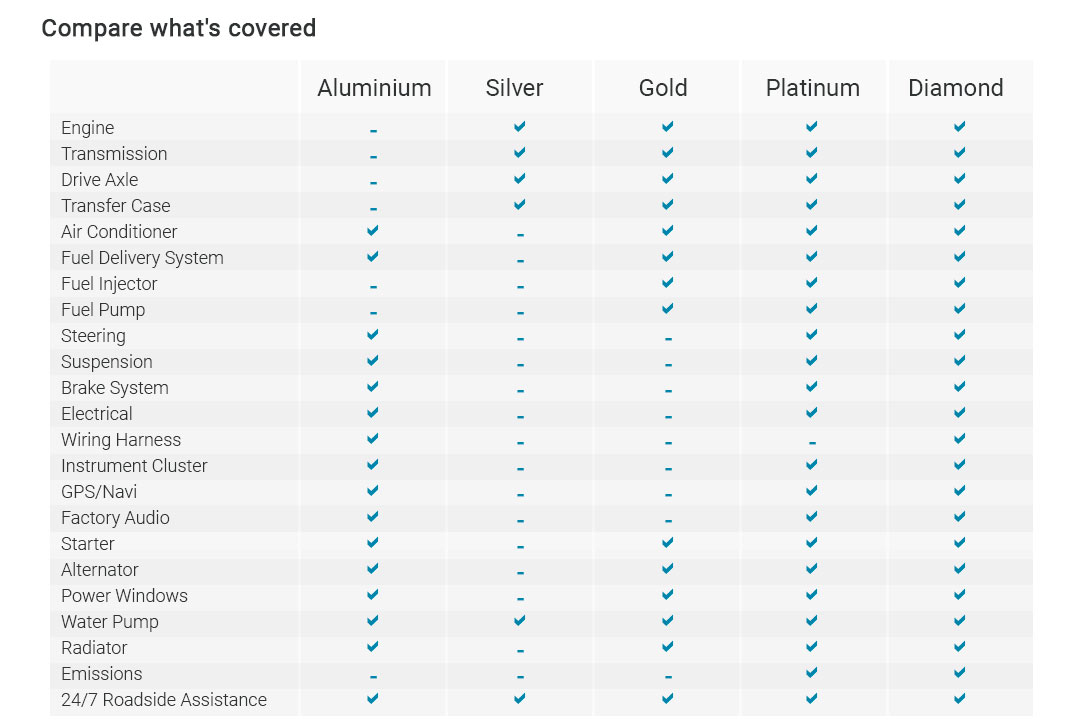
How to Compare Car Extended Warranty Coverage To compare car extended warranty coverage effectively, look beyond the plan name and focus on what is actually protected, what is excluded, how claims are handled, and what you must pay out of pocket. Extended warranty coverage, often called a vehicle service contract, can vary widely by provider, vehicle age, mileage, and plan level. The most important comparison points are covered components, exclusions, deductibles, repair facility rules, claim limits, waiting periods, maintenance requirements, cancellation terms, and transfer options. A lower-cost plan may offer less protection, while a more expensive plan is not always better if it excludes the parts most likely to fail on your vehicle. Main Types of Extended Warranty CoveragePowertrain coveragePowertrain plans usually cover the engine, transmission, and drivetrain components. They are often the most basic option and may be suitable for drivers mainly concerned about major mechanical failures. However, they typically do not cover electronics, air conditioning, suspension, or many comfort features. Stated-component coverageStated-component plans list the specific parts covered. If a part is not listed, it is usually not covered. These plans can be easier to evaluate because you can review the exact component list, but you should read it carefully for limits and exclusions. Exclusionary coverageExclusionary plans are often the most comprehensive type. Instead of listing everything covered, they list what is not covered. This can provide broader protection, but exclusions such as wear items, cosmetic parts, maintenance, pre-existing conditions, and misuse still commonly apply. Coverage Details That Matter Most
The best extended warranty coverage depends on your vehicle’s age, mileage, reliability history, repair costs, how long you plan to keep it, and your ability to handle unexpected repair bills. A newer car with remaining factory warranty may not need immediate additional coverage, while an older vehicle with expensive components may benefit from a broader plan if the cost and terms are reasonable. Before buying, compare the contract documents side by side, not just the brochure or sales summary. Match the coverage to the parts and systems you care about most, confirm the deductible and claim process, and make sure the provider’s rules fit how and where you maintain your vehicle. A careful comparison helps you avoid paying for protection that does not cover the repairs you are most concerned about.
Main Topic:
Car Warranty Cover Battery
https://fordprotect.ford.com/extended-service-plan
A Ford Protect Extended Service Plan provides peace of mind protection and offers many plan and deductible options to protect you from unexpected vehicle ... https://www.cars.com/articles/which-vehicles-have-the-best-warranty-coverage-447236/
There is no standard, and new-car warranties can vary a lot. One difference is duration, specified as the number of years or miles from your ... https://caredge.com/warranty
Yes, an extended warranty is highly recommended for used cars. Your OEM warranty may have limited coverage or might have expired based on the age or mileage of ...
|
