 |
 |
 |
 |
 |
 |
 |
 |
 |
|||
 |
 |
|
|||||||
 |
|||||||
 |
|||||||
 |
|||||||
 |
|||||||
|
|||||||






|
||||||
 |
||||||
 |
||||||
 |
||||||
|






 |
 |
 |
 |
 |
 |
 |
|
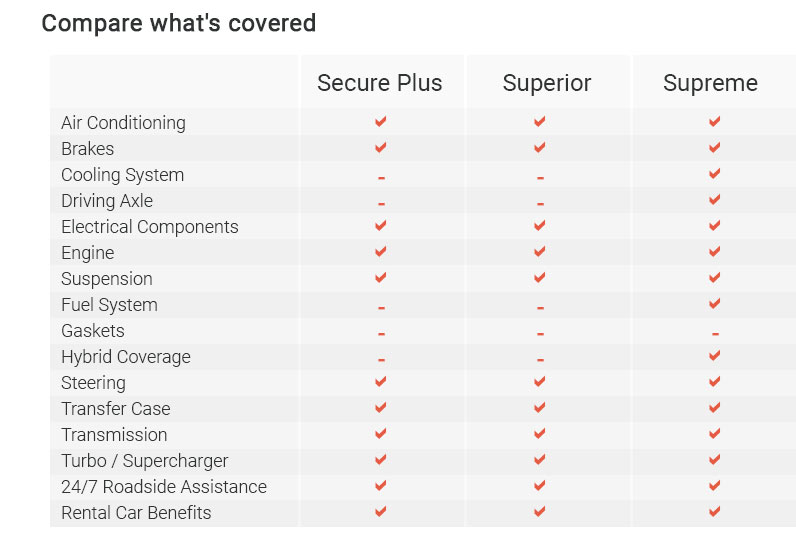
Extended Auto Warranty Washington State: What It Usually Means An extended auto warranty Washington State shoppers compare is usually a vehicle service contract, not an extension of the original factory warranty. It may help pay for covered repairs after the manufacturer warranty expires, but coverage depends entirely on the contract terms. Plans can be sold by dealerships, manufacturers, lenders, third-party administrators, or direct-to-consumer providers. In Washington, the important details are who is legally responsible for paying claims, where repairs may be performed, what parts and labor are covered, and how cancellation or refunds work. What Coverage Can IncludeExtended auto warranty plans vary widely. Some cover only major components, while others are closer to exclusionary coverage, meaning most parts are covered unless specifically excluded. Common coverage areas
Typical exclusions may include routine maintenance, brake pads, tires, cosmetic damage, pre-existing conditions, damage from neglect, and repairs not authorized according to the contract process. Washington State Buying ConsiderationsBefore buying an extended auto warranty in Washington State, read the contract rather than relying on a brochure or sales summary. The contract should explain the provider, administrator, deductible, claim process, cancellation terms, transfer rules, and repair facility requirements. Questions to ask before signing
Rules and contract requirements can vary by provider and product type, so keep a complete copy of all documents you receive. How to Compare Plans FairlyThe best extended auto warranty is not always the cheapest or the one with the longest term. A useful comparison looks at coverage quality, claim handling, contract limits, and the realistic repair risks for your vehicle.
If a salesperson pressures you to decide immediately, take time to compare the offer with other options and your existing factory coverage. When an Extended Warranty May or May Not Be Worth ItAn extended warranty may be worth considering if your manufacturer warranty is ending, your vehicle has expensive electronic or mechanical systems, or you prefer predictable repair protection over paying large repair bills out of pocket. It may be less useful if your car is still under strong factory coverage, you plan to sell soon, the contract excludes the parts most likely to fail, or the total cost is close to what you would reasonably set aside for repairs. Final checklist for Washington drivers
For Washington State drivers, the right plan is the one that clearly covers the repairs you care about, fits your budget, and comes from a provider that explains claims and contract terms without ambiguity.
Main Topic:
Auto Extended Warranty Providers
https://www.totalautoprotect.com/state/washington
Extend The Life Of Your Vehicle! Total Auto Protect offers peace of mind. A standard manufacturer warranty lasts just a few years until your automobile actually ... https://www.gmcofriverfrontpark.com/auto-warranty-forever-spokane-wa?srsltid=AfmBOoqT1mXiaFJBp4Isv6nxZvmAYy8ZmFS9wPH2G-8NbzXtvcTD2snL
Our Auto Warranty Forever program offers extended powertrain coverage that includes engine, turbocharged/supercharged/enhanced engines, both automatic and ... https://diamondwarrantycorp.com/
While we cover repairs nationwide, you may not be able to purchase our warranty in certain states, such as Washington, Wyoming, Alaska, Hawaii, Louisiana, ...
|
