 |
 |
 |
 |
 |
 |
 |
 |
 |
|||
 |
 |
|
|||||||
 |
|||||||
 |
|||||||
 |
|||||||
 |
|||||||
|
|||||||







|
||||||
 |
||||||
 |
||||||
 |
||||||
|






 |
 |
 |
 |
 |
 |
 |
|
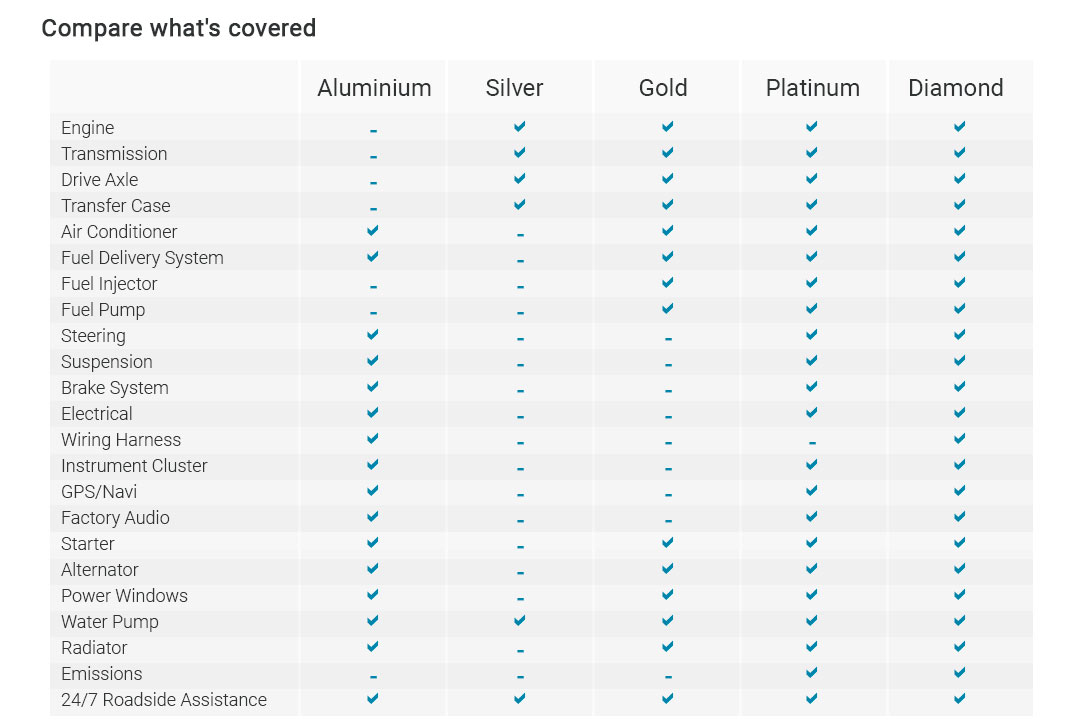
What extended warranties for hybrid cars cover Extended warranties for hybrid cars are service contracts that help pay for certain repairs after the original manufacturer warranty expires. Coverage depends on the provider and plan, but many policies focus on mechanical and electrical failures rather than routine maintenance or wear-and-tear items. For hybrids, the most important detail is whether the plan covers hybrid-specific components. These may include the high-voltage battery system, inverter, electric motor, power control unit, regenerative braking components, hybrid cooling systems, and related electronics. Some contracts cover these parts clearly, while others exclude them or cover only selected components. Before buying, read the contract language rather than relying only on a brochure or sales summary. The written agreement is what determines what is covered, what is excluded, where repairs can be performed, and how claims are approved. Key hybrid components to check before choosing a planHigh-voltage battery coverageThe hybrid battery is one of the most important items to review. Some vehicles already include a separate manufacturer warranty for the hybrid battery, and that coverage can vary by vehicle, location, model year, and manufacturer. An extended plan may add value only if it extends beyond or adds to the protection you already have. Inverter and electric drive componentsThe inverter, electric motor, and related control units can be expensive to diagnose and repair. If a plan claims to cover hybrid systems, confirm that these parts are specifically named or clearly included under electrical or powertrain coverage. Regenerative braking and cooling systemsHybrid vehicles often use braking and cooling systems that differ from conventional cars. Ask whether regenerative braking components, battery cooling fans, pumps, sensors, and control modules are included, because these details can vary significantly between contracts. What is usually not includedExtended warranty plans typically do not cover every vehicle expense. Common exclusions may include oil changes, tires, brake pads, wiper blades, filters, alignment, cosmetic damage, interior trim, glass, and damage caused by neglect, accidents, misuse, modifications, or lack of maintenance. Battery performance loss may also be treated differently from a covered failure. For example, a contract may cover a defective battery component but not normal capacity reduction over time. The exact wording matters, especially for hybrid vehicles where battery health is a major concern. Many providers also require maintenance records. If you cannot show that required service was completed, a claim may be denied. Keep receipts and service documentation, even for basic maintenance. How to compare extended warranty options
An extended warranty may be useful if you plan to keep your hybrid after the factory coverage ends, drive high annual mileage, want predictable repair costs, or own a model with complex hybrid systems that would be costly to repair out of pocket. It may be less valuable if your vehicle is still well covered by the manufacturer, you plan to sell soon, the contract excludes major hybrid parts, or the price is high compared with the likely repair risk. For some owners, setting aside money for future repairs may be a better fit than buying a service contract. The best choice depends on your vehicle’s age, mileage, maintenance history, existing warranty coverage, local repair options, and your comfort with unexpected repair bills. Always compare the total contract cost with the specific protection offered for hybrid components.
Main Topic:
Types Of Extended Car Warranties
https://www.ferrarichat.com/forum/threads/extended-warranty-for-hybrids.698865/
The hybrid warranty is 7 years. If you look on your app you will see the 3 year bumper to bumper warranty and a 4 year HV system extension. You ... https://www.marketwatch.com/insurance-services/car-warranty/ev-extended-warranty/
Endurance: Best Comprehensive Coverage ... Endurance offers six coverage levels, with the Superior, Supreme and Secure Plus plans giving options ... https://www.streetdirectory.com/travel_guide/57335/cars/warranties_on_hybrid_cars.html
For most standard warranties on hybrids, the actual battery pack, as well as the hybrid's parts are under warranty for 100,000 miles or 8 years, and if you're ...
|
