



Is an Extra Car Warranty Worth It?

An extra car warranty can be worth it if you want protection from unexpected repair bills after the manufacturer’s warranty ends. It may make sense for drivers who own vehicles with higher repair costs, plan to keep the car for several years, or prefer predictable expenses over paying for major repairs out of pocket.

However, it is not automatically a good deal. The value depends on the warranty price, what it covers, your car’s reliability, your driving habits, and whether you are likely to use the coverage. Before buying, compare the contract cost with the potential cost of common repairs for your specific make and model.

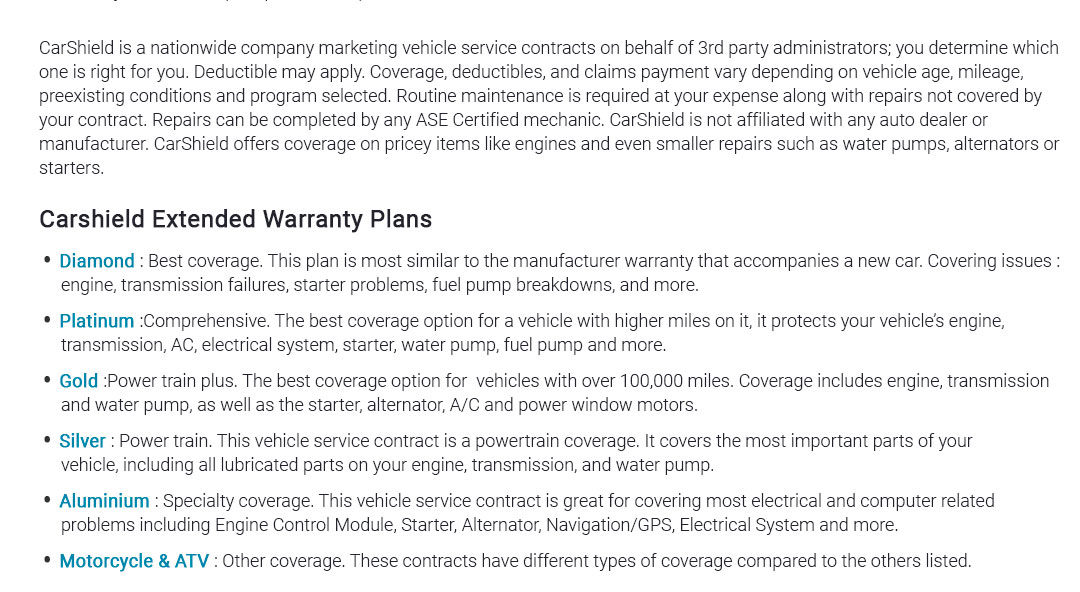
What an Extra Car Warranty Usually Covers

An extra car warranty, often called an extended warranty or vehicle service contract, may cover repairs after the original factory warranty expires. Coverage varies widely by provider and plan, so the contract details matter more than the sales description.

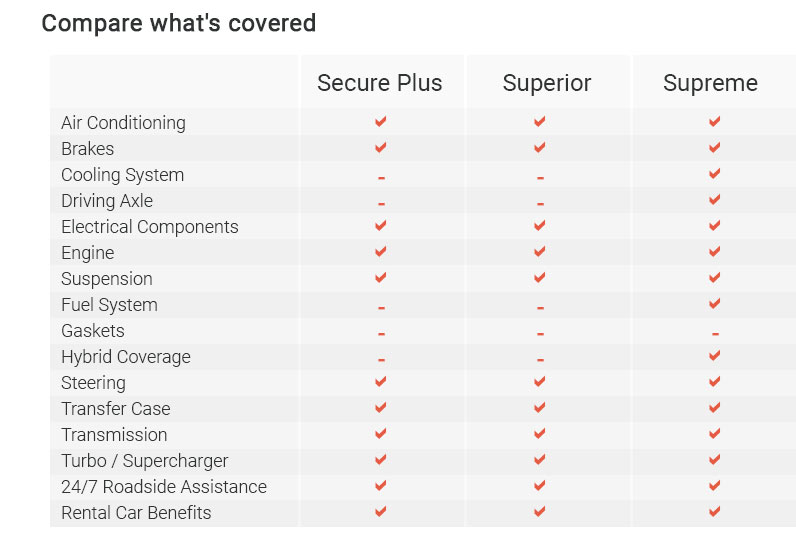
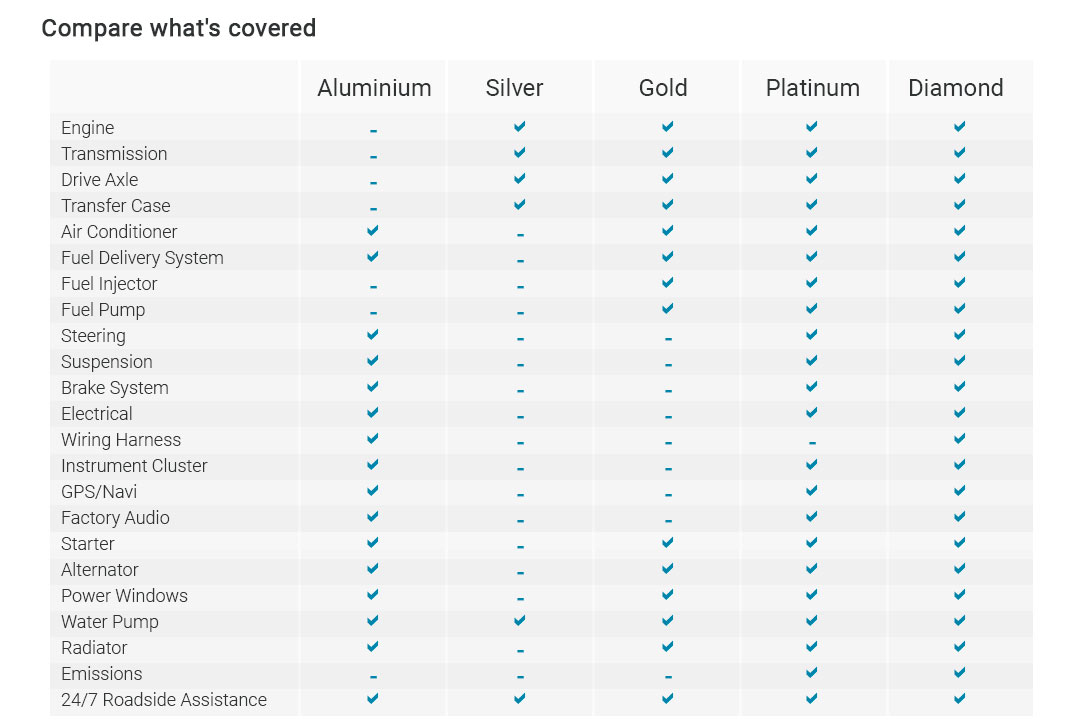
Common covered items

  • Powertrain components: engine, transmission, and drivetrain parts.
  • Electrical systems: sensors, wiring, infotainment components, or control modules, depending on the plan.
  • Air conditioning and heating: compressors, condensers, or related parts if included.
  • Suspension and steering: selected parts may be covered under more comprehensive plans.
  • Roadside assistance or rental reimbursement: sometimes included, but limits often apply.

Common exclusions

  • Routine maintenance such as oil changes, brake pads, tires, wiper blades, and filters.
  • Wear-and-tear items unless specifically covered.
  • Damage from accidents, neglect, modifications, or improper maintenance.
  • Pre-existing problems found before the contract begins.
When an Extra Warranty May Be a Smart Choice

An extra warranty is more likely to be worth considering when the financial risk of repairs is higher than the cost and limitations of the plan.

  • You drive a car known for expensive repairs: Luxury vehicles, high-performance models, and cars with complex electronics can cost more to fix.
  • Your factory warranty is ending soon: Coverage may help if you plan to keep the vehicle well beyond the original warranty period.
  • You rely heavily on your car: If a breakdown would disrupt work, family responsibilities, or travel, added benefits like towing or rental coverage may be useful.
  • You want budget certainty: Some drivers value predictable protection even if they may not use the full value of the plan.
  • You are buying a used car: A service contract may be helpful if the car has limited remaining coverage, but a pre-purchase inspection is still important.
When It May Not Be Worth the Cost

If you are asking whether an extra car warranty worth it, the answer may be no in several common situations. Many drivers pay for coverage and never use enough repairs to justify the cost.

  • Your vehicle is highly reliable: If your car has a strong reliability history and affordable parts, saving money for repairs may be better.
  • You will sell or trade the car soon: A long-term plan may offer little value if you do not keep the vehicle.
  • The contract has many exclusions: A low-cost plan may cover only major failures and deny many common claims.
  • The deductible is high: If the deductible is close to the repair cost, the benefit is reduced.
  • You already have warranty coverage: New cars and some certified pre-owned vehicles may still be covered by manufacturer warranties.
  • You can comfortably self-insure: Setting aside money in a repair fund can be more flexible than paying for a contract with restrictions.
How to Decide Before You Buy

Before buying an extra car warranty, review the contract carefully and make a practical comparison. The best choice depends on your car, finances, and tolerance for risk.

  1. Check your current coverage: Confirm what the manufacturer warranty still covers and when it expires.
  2. Estimate repair risk: Look at common repair needs for your vehicle’s age, mileage, and model.
  3. Read the exclusions: Covered parts are important, but excluded parts often determine whether a claim is approved.
  4. Review deductibles and claim rules: Find out whether the deductible is charged per visit or per repair, and whether you must use approved repair shops.
  5. Ask about cancellation and transfer terms: These policies vary and can affect the warranty’s value if you sell the car.
  6. Compare total cost: Include the plan price, deductible, interest if financed, and any limits on labor or parts.

In general, an extra car warranty is worth it when the coverage is strong, the price is reasonable, and the vehicle has a realistic chance of costly repairs. If the plan is expensive, narrow, or difficult to use, keeping a dedicated repair fund may be the better option.

https://www.caranddriver.com/auto-loans/a41685681/is-extended-car-warranty-worth-it/
Extended warranties cover the major components of your vehicle, including the engine, transmission, gaskets, and axles.

https://www.consumerreports.org/cars/car-repair/get-an-extended-warranty-for-your-car-a1570471227/
No matter the exact type, extended warranties are an investment in peace of mind that limits financial risk for a set period of time. But beware ...

https://www.reddit.com/r/askcarsales/comments/15u0xag/are_extended_warranties_ever_worth_it/
Extended warranties are a revenue stream. So they are worth it in the same way that winning the lottery is a retirement plan.


crr
4.9 stars -1722 reviews