 |
 |
 |
 |
 |
 |
 |
 |
 |
|||
 |
 |
|
|||||||
 |
|||||||
 |
|||||||
 |
|||||||
 |
|||||||
|
|||||||






|
||||||
 |
||||||
 |
||||||
 |
||||||
|





 |
 |
 |
 |
 |
 |
 |
|
How to Get Warranty on My Car If you want to get warranty on my car, the best option depends on whether your vehicle is new, used, still under factory coverage, or already out of warranty. A car warranty can help cover certain repair costs when a covered part fails, but coverage, exclusions, claim rules, and eligibility vary by provider and vehicle. Start by checking whether your car already has an active manufacturer warranty. If it does, you may not need to buy separate coverage yet. If the original warranty has expired, you can look into an extended warranty, vehicle service contract, certified pre-owned coverage, or a warranty offered by a dealership or third-party provider. Check Your Current Warranty Status FirstBefore buying any additional coverage, confirm what protection your car may already have. Many vehicles come with factory coverage for a limited period or mileage, and some warranty coverage may transfer to later owners. What to check
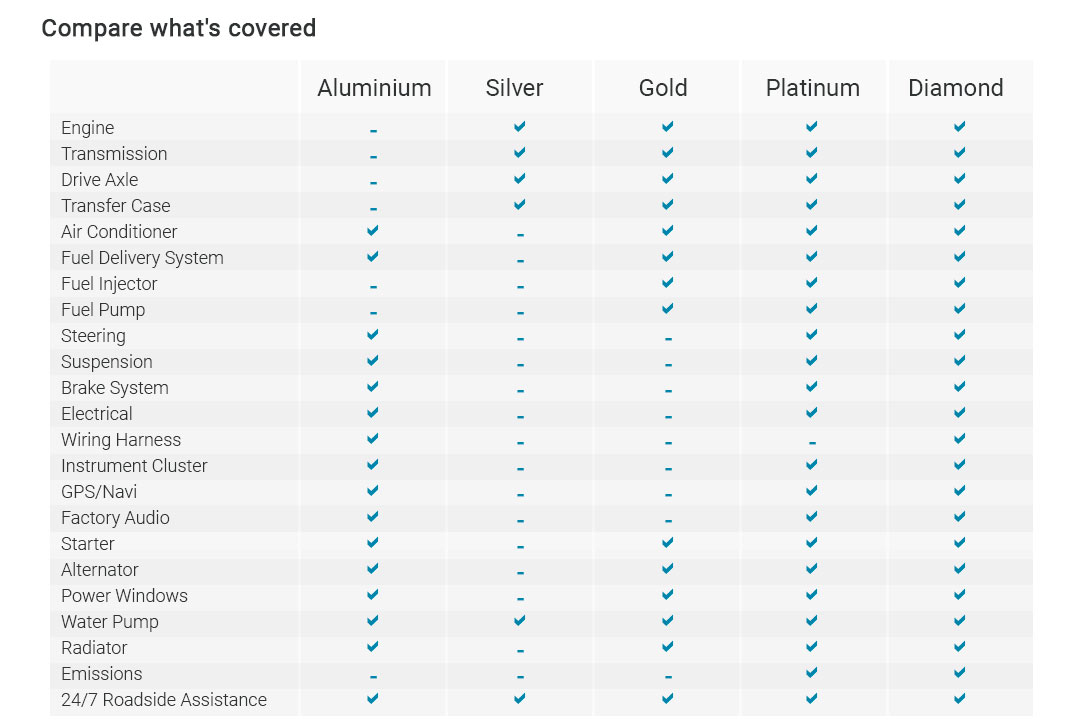
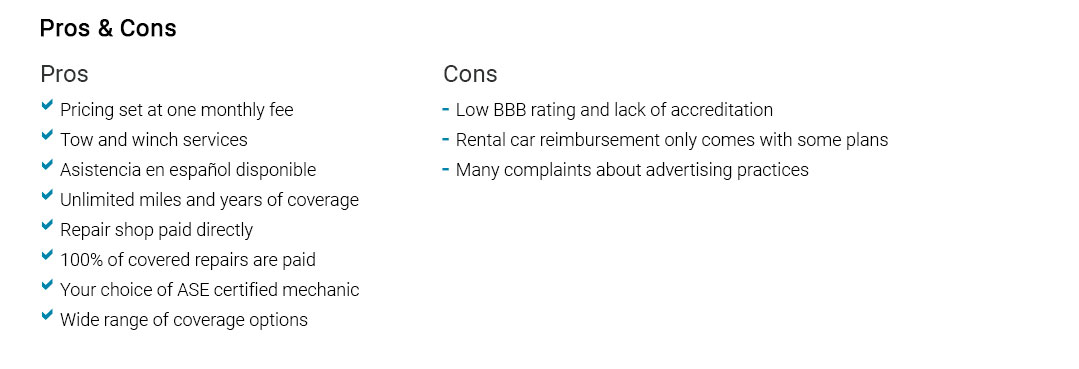
If you are unsure, contact a franchised dealer for your vehicle’s brand or the manufacturer’s customer service department with your VIN. Main Ways to Get Warranty CoverageManufacturer extended warrantyA manufacturer-backed extended warranty is usually purchased through a dealer and may offer coverage that is close to the original factory warranty. Availability can depend on the vehicle’s age, mileage, condition, and whether the factory warranty is still active. Dealership warranty or service contractDealers may offer limited warranties or vehicle service contracts when you buy a new or used car. Terms can differ widely, so read what is covered, where repairs can be performed, and whether there is a deductible. Certified pre-owned warrantyIf you are buying a certified pre-owned vehicle, it may include added warranty coverage backed by the manufacturer or dealer program. Coverage length and included repairs vary by brand and vehicle. Third-party vehicle service contractIndependent providers may sell service contracts for eligible cars. These can be useful for vehicles outside the factory warranty, but it is important to compare coverage limits, claim procedures, exclusions, cancellation terms, and repair shop requirements. What to Compare Before You BuyNot all car warranty plans provide the same protection. Some cover major powertrain components only, while others offer broader coverage for systems such as air conditioning, electronics, suspension, steering, and fuel systems.
Ask for the full contract before paying. A brochure or verbal explanation is not enough to understand the actual coverage. Steps to Get Warranty on Your Car
If you recently bought the car and believe warranty coverage was promised, review your purchase documents and contact the seller promptly. If coverage is optional, take time to compare terms rather than choosing based only on price.
Main Topic:
Best Warranty For My Car
https://www.chevrolet.com/owners/warranty
Warranty - Bumper-to-bumper and powertrain coverage - Thousands of dealers to handle repairs - Techs trained specifically for your vehicle - Courtesy transportation ... https://www.quora.com/Can-I-take-my-car-warranty-to-an-independent-shop-or-does-it-have-to-be-a-dealership
You can take your warranty repairs to an independent shop, but you will pay for the service. An independent shop is capable of doing the repairs ... https://help.edmunds.com/hc/en-us/articles/206102717-Should-I-buy-an-extended-warranty-for-my-car
Extended warranties are great for people who want to be prepared for possible repairs that may be needed once the factory warranty expires.
|
