 |
 |
 |
 |
 |
 |
 |
 |
 |
|||
 |
 |
|
|||||||
 |
|||||||
 |
|||||||
 |
|||||||
 |
|||||||
|
|||||||






|
||||||
 |
||||||
 |
||||||
 |
||||||
|




 |
 |
 |
 |
 |
 |
 |
|
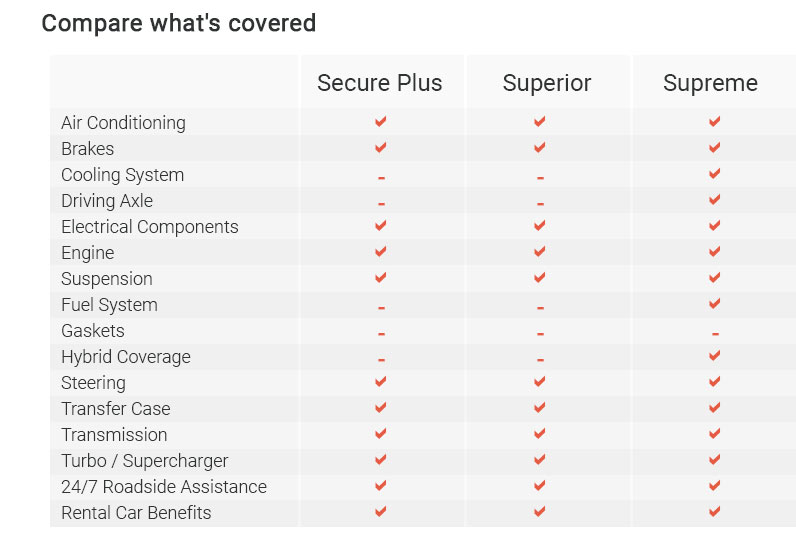
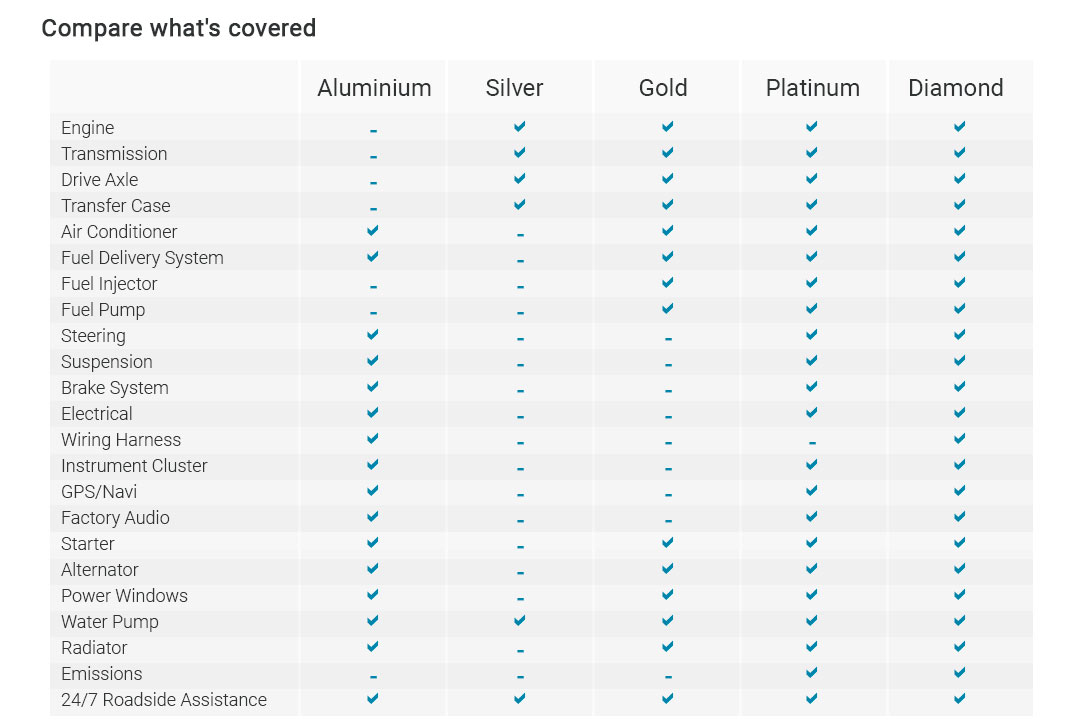
How to Identify Good Extended Car Warranty Companies Good extended car warranty companies are those that clearly explain what is covered, what is excluded, how claims are approved, and where repairs can be completed. The best provider for one driver may not be the best for another, because coverage needs depend on the vehicle’s age, mileage, reliability history, repair costs, and how long the owner plans to keep it. A strong company should offer written contract terms before purchase, allow time to review the agreement, and provide straightforward answers about deductibles, waiting periods, cancellation rules, transferability, and claim limits. Avoid choosing based only on a low monthly payment, because the details of the contract determine the real value. What a Quality Extended Warranty Plan Should CoverExtended car warranty plans, often called vehicle service contracts, vary widely. Some cover only major powertrain components, while others include many electrical, air conditioning, steering, suspension, and technology-related parts. Coverage also depends on the provider, contract level, vehicle condition, and mileage at enrollment. Common coverage types
Wear-and-tear items, routine maintenance, cosmetic damage, pre-existing problems, modified parts, and damage from misuse are commonly excluded, but exclusions differ by contract. Key Factors to Compare Before Choosing a CompanyWhen comparing good extended car warranty companies, focus on contract quality and claims handling rather than advertising promises. A reliable provider should make it easy to understand both the benefits and the limitations of the plan.
Before signing, ask direct questions and compare the answers with the written contract. If a representative’s explanation does not match the paperwork, rely on the contract, not the sales conversation.
Be cautious with companies that pressure you to buy immediately, refuse to provide a contract before payment, claim that your manufacturer warranty is about to expire without proof, or make broad promises such as “everything is covered.” No extended warranty covers every possible repair. Also be careful with very low prices that come with high deductibles, narrow coverage, strict repair limits, or unclear exclusions. A plan may not be worthwhile if the vehicle is already highly reliable, if the coverage overlaps with an active manufacturer warranty, or if you can comfortably pay for repairs out of pocket. The safest approach is to gather multiple quotes, compare the actual contracts side by side, check the provider’s complaint history and reputation, and choose the plan that best matches your vehicle, budget, and risk tolerance.
Main Topic:
Extended Car Warranty Calculator
https://www.automoblog.com/reviews/auto-warranty/best-car-warranty-companies/
After in-depth industry research, we found that Endurance is the best car warranty company, and we name it Best Overall for 2024. Third-party ... https://www.progressive.com/answers/extended-warranties-for-cars/
An extended car warranty extends the standard manufacturer's warranty. Find out what extended warranties cover, if they're worth it, and other options. https://www.marketwatch.com/insurance-services/car-warranty/best-extended-car-warranty/
Best Extended Car Warranty Companies of 2025 - Endurance Best Comprehensive Coverage - autopom! Best Customer Service - Carchex Best Industry ...
|
