


How to Buy Car Warranty Coverage the Right Way

Learning how to buy car warranty coverage starts with understanding what you want protection from. A car warranty is designed to help pay for certain repairs when covered parts fail, but the details vary widely by vehicle, provider, contract, mileage, age, and location.

Before comparing plans, identify whether your vehicle still has a manufacturer warranty, whether you want coverage for major mechanical failures only, and how long you plan to keep the car. The best option is not always the longest or most expensive plan; it is the one that matches your vehicle’s risk, your budget, and your repair expectations.

Check Your Existing Coverage First

Before buying any additional protection, confirm what coverage you already have. Newer vehicles may still be covered by a factory bumper-to-bumper warranty, powertrain warranty, corrosion warranty, roadside assistance, or emissions-related coverage. Used vehicles may also have remaining manufacturer coverage if it is transferable.

What to verify

  • Warranty start date: Coverage often begins when the vehicle was first sold, not when you bought it used.
  • Mileage limit: Many warranties expire by time or mileage, whichever comes first.
  • Transfer rules: Some coverage transfers automatically, while other plans require paperwork or fees.
  • Maintenance requirements: You may need proof of regular oil changes, inspections, and recommended service.
  • Open exclusions: Wear items, accident damage, modifications, neglect, and cosmetic issues are commonly excluded.

If you are unsure, contact the vehicle manufacturer, dealership, or current warranty administrator with the vehicle identification number.

Choose the Type of Car Warranty You Need

Car warranty products are not all the same. The right choice depends on the vehicle’s age, condition, mileage, reliability history, and how much financial risk you want to avoid.

Common options

  • Manufacturer extended warranty: Usually backed by the automaker and often accepted at brand dealerships. Terms and availability vary by manufacturer and vehicle eligibility.
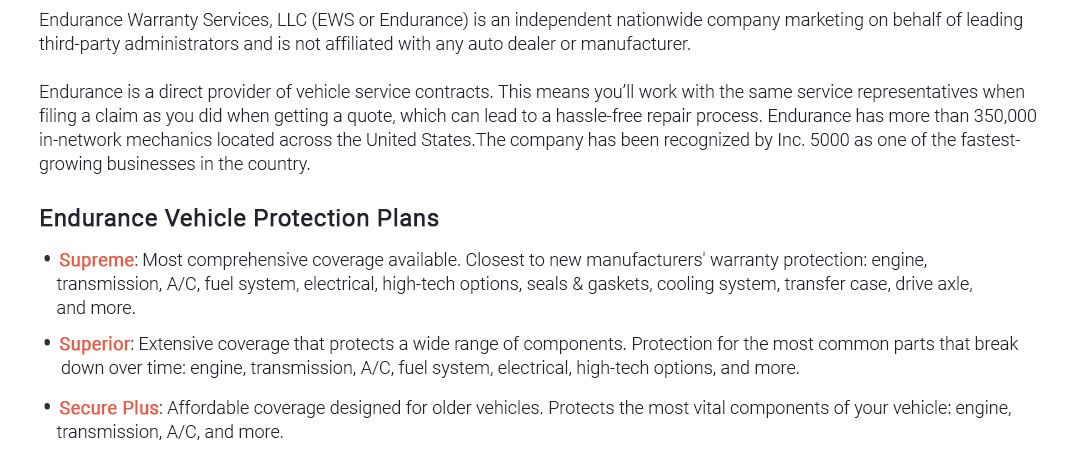
  • Third-party vehicle service contract: Sold by independent companies, dealerships, or brokers. These can offer flexible coverage, but contract quality and claim handling vary.
  • Powertrain coverage: Focuses on major components such as the engine, transmission, and drivetrain. It is typically more limited than comprehensive coverage.
  • Exclusionary coverage: Covers many vehicle systems except items specifically listed as excluded in the contract.
  • Stated-component coverage: Covers only the parts named in the contract. If a part is not listed, it is not covered.

For an older or high-mileage vehicle, make sure the provider actually accepts your car and that the covered components are the ones most likely to be costly if they fail.

Compare Plans by Contract Details, Not Just Price

When deciding how to buy a car warranty, review the written contract carefully before paying. Sales summaries can be helpful, but the contract controls what is covered, what is excluded, and how claims are handled.

Details to compare

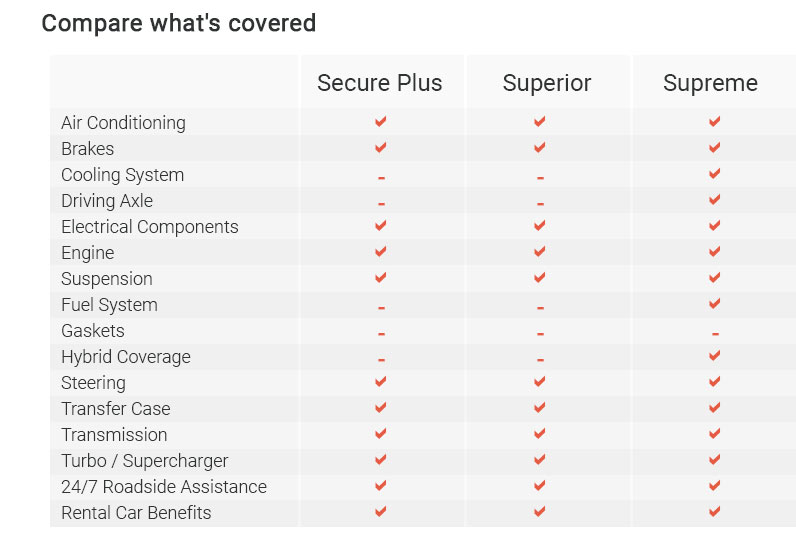
  • Covered parts: Look for clear language about engines, transmissions, electrical systems, air conditioning, steering, suspension, and technology features.
  • Exclusions: Common exclusions may include routine maintenance, tires, brake pads, wiper blades, fluids, seals, gaskets, pre-existing issues, overheating damage, and modified parts.
  • Deductible: Check whether the deductible applies per visit or per repair.
  • Repair facility rules: Some plans require approved repair shops, while others allow licensed mechanics or dealerships.
  • Claims process: Find out whether repairs must be authorized before work begins.
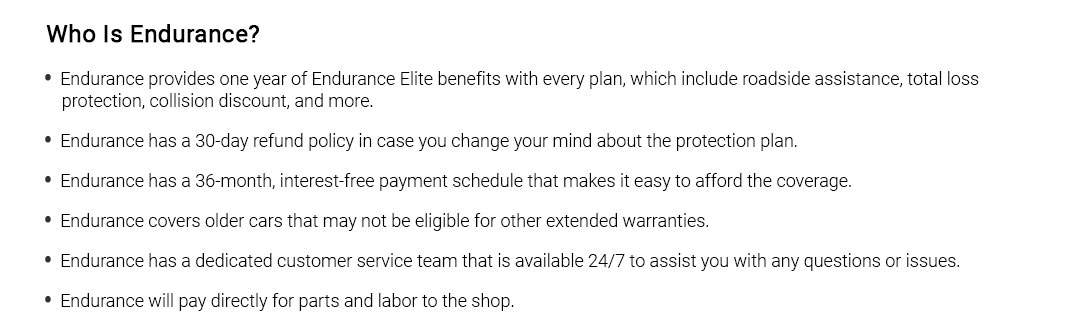
  • Payment method: Ask whether the provider pays the repair shop directly or reimburses you after you pay.
  • Waiting period: Some contracts do not begin immediately and may include time or mileage requirements before claims are eligible.
  • Cancellation and refund terms: Review how cancellation works and whether refunds are prorated.

A low-cost plan may not be a good value if it excludes the most expensive repairs or makes claims difficult to approve.

Steps to Buy With Confidence
  1. Gather vehicle details: Have the year, make, model, mileage, vehicle identification number, maintenance history, and ownership status ready.
  2. Get multiple quotes: Compare coverage levels, deductibles, term lengths, claim rules, and cancellation terms from more than one provider.
  3. Ask for the full contract: Do not rely only on a brochure, phone explanation, or payment quote.
  4. Confirm provider credibility: Check how long the company has operated, who administers claims, and whether the plan is backed by an insurer or administrator where applicable.
  5. Read exclusions twice: Pay close attention to pre-existing conditions, maintenance requirements, diagnostics, seals and gaskets, electronics, and wear-related failures.
  6. Check repair shop access: Make sure the shops you would actually use can work with the warranty provider.
  7. Understand total cost: Include the down payment, monthly payments, deductible, possible financing charges, and cancellation rules.
  8. Keep records: Save the contract, receipts, maintenance records, inspection reports, and all claim communications.

If a seller pressures you to decide immediately, will not provide the contract, or makes promises that are not written into the agreement, it is safer to pause and compare other options.

https://cars.usnews.com/cars-trucks/advice/used-car-warranty
But if you're buying a used car, it may not come with a warranty. Some do offer manufacturer coverage, based on specific conditions set out by ...

https://consumer.ftc.gov/articles/auto-warranties-and-auto-service-contracts
But an auto service contract might give you the same coverage you get with the warranty that already comes with the vehicle. Learn about differences between an ...

https://www.marketwatch.com/insurance-services/car-warranty/how-to-buy-an-extended-warranty/
Extended car warranties can be purchased from either your vehicle's manufacturer or from an independent provider. Though coverage includes both ...


crr
4.9 stars -1755 reviews