 |
 |
 |
 |
 |
 |
 |
 |
 |
|||
 |
 |
|
|||||||
 |
|||||||
 |
|||||||
 |
|||||||
 |
|||||||
|
|||||||






|
||||||
 |
||||||
 |
||||||
 |
||||||
|





 |
 |
 |
 |
 |
 |
 |
|
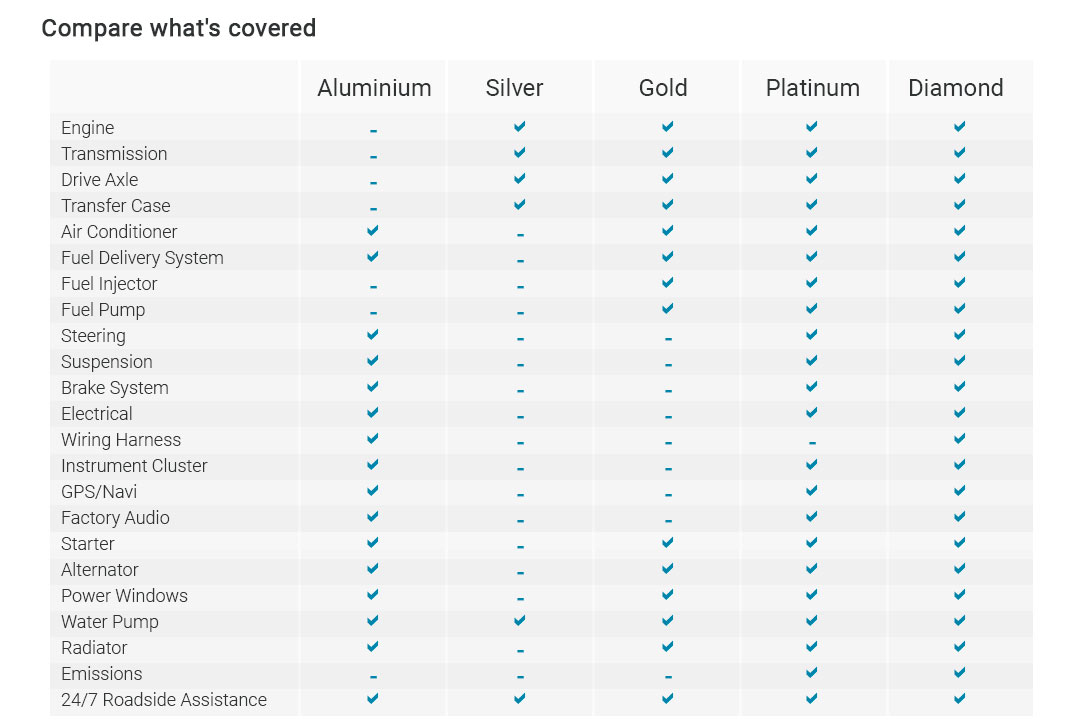
What Makes a Reasonable Used Car Warranty A reasonable used car warranty should balance useful protection, clear terms, and a price that makes sense for the vehicle’s age, mileage, condition, and expected repair risk. The best option is not always the longest or most expensive plan. A fair warranty is one that covers the parts most likely to create costly problems and explains exactly when coverage applies. Used car warranties vary widely by dealer, manufacturer, third-party provider, and location. Some vehicles may still have remaining factory coverage, while others may only qualify for limited powertrain protection or a service contract. Before agreeing to any plan, compare the coverage to the car’s inspection results, maintenance history, and your budget for unexpected repairs. Coverage That Is Usually Worth ConsideringA practical used car warranty often focuses on major mechanical and electrical systems rather than minor wear items. The most valuable coverage depends on the vehicle, but buyers commonly look for protection in areas that can be expensive to diagnose or repair. Common areas to review
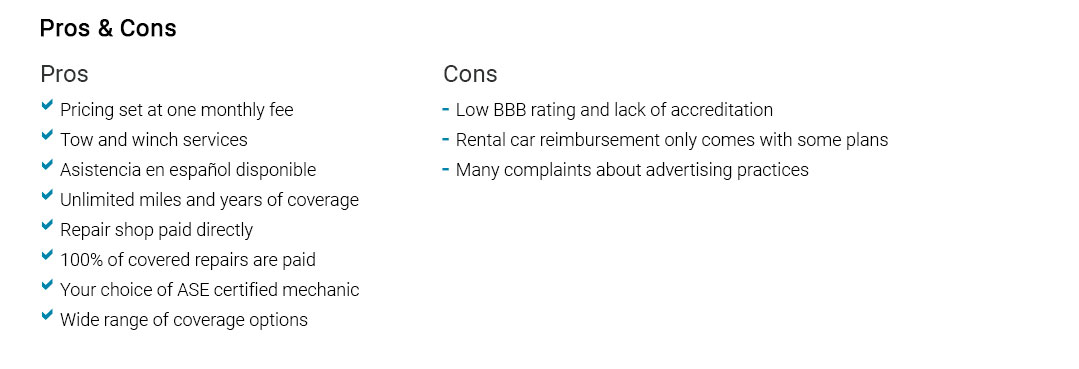
The details of the contract matter more than the sales summary. A warranty that sounds generous may have exclusions, claim limits, or repair restrictions that reduce its value. Always read the full agreement before signing. Important contract details
Most used car warranties are not designed to cover everything that can go wrong. A reasonable plan should make exclusions easy to understand. If the exclusions are vague, ask for written clarification before buying. Common exclusions
Some plans offer roadside assistance, rental car reimbursement, or trip interruption benefits, but these features vary and may have limits. Treat them as helpful extras, not the main reason to choose a warranty. How to Choose the Right Warranty for Your Used CarTo choose a reasonable used car warranty, start with the vehicle rather than the sales offer. A reliable model with strong maintenance records may need less coverage than an older vehicle with complex technology or expensive parts. The right plan should reduce financial risk without adding unnecessary cost or restrictions. Simple buying checklist
A warranty is most useful when it is transparent, affordable for your situation, and matched to the car you are actually buying. If the terms are unclear or the coverage does not fit the vehicle, it may be better to keep money set aside for repairs instead.
Main Topic:
Types Of Used Car Warranties
https://www.consumerreports.org/cars/car-repair/get-an-extended-warranty-for-your-car-a1570471227/
For those driving used vehicles, usually the best coverage options are for vehicles with under 80,000 miles. The club recommends that used-car ... https://www.carchex.com/content/used-car-warranty-companies/
CARCHEX stands out as the best used vehicle service contract company, so we'd recommend considering one of our affordable but high-quality plans to keep your ... https://www.quora.com/When-buying-a-low-mileage-certified-vehicle-what-is-the-best-extended-warranty-service-to-purchase-Of-course-the-dealership-has-an-expensive-option-but-I-want-other-selections
For buying extended warranties in general, I'd recommend Warranty Life (www.warrantylife.com) as they have better prices than buying at the ...
|
