 |
 |
 |
 |
 |
 |
 |
 |
 |
|||
 |
 |
|
|||||||
 |
|||||||
 |
|||||||
 |
|||||||
 |
|||||||
|
|||||||






|
||||||
 |
||||||
 |
||||||
 |
||||||
|






 |
 |
 |
 |
 |
 |
 |
|
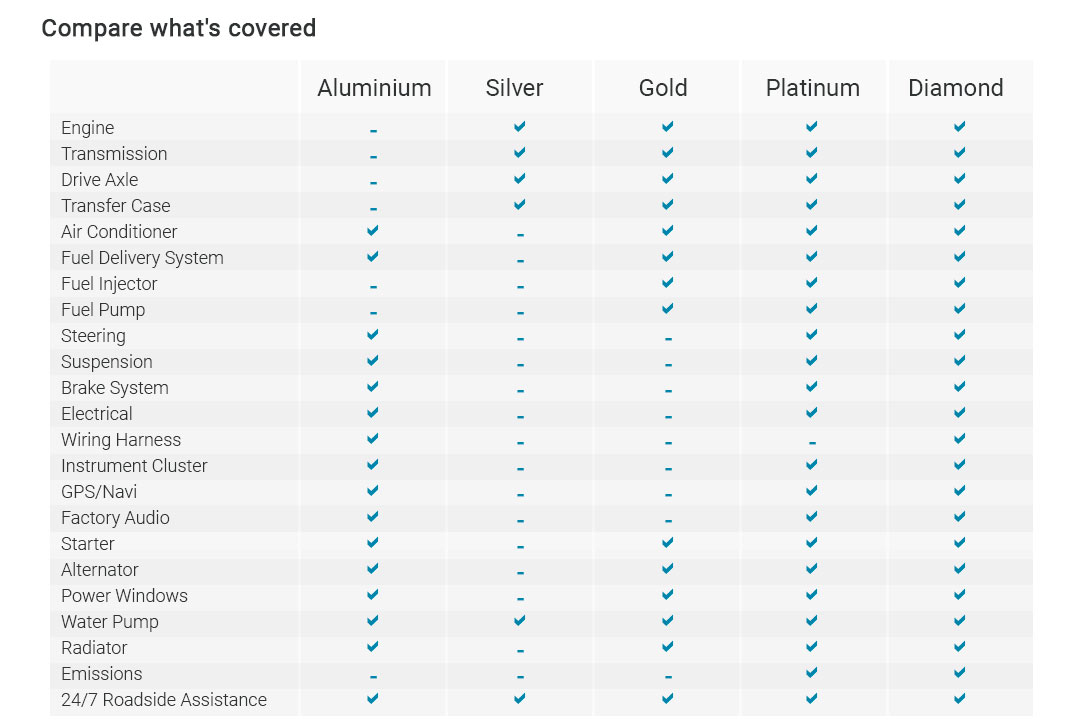
What Makes the Best Vehicle Warranty? The best vehicle warranty is the one that matches your vehicle’s age, mileage, reliability, repair risks, and how long you plan to keep it. A strong warranty should clearly explain what is covered, what is excluded, where repairs can be performed, how claims are approved, and what you may need to pay out of pocket. For a new vehicle, the manufacturer’s factory warranty may already provide solid protection for a set period or mileage limit. For a used or older vehicle, an extended vehicle warranty or vehicle service contract may help reduce the financial impact of unexpected mechanical repairs. Coverage, cost, and claim rules vary widely by provider, vehicle, and location, so it is important to compare the details rather than choosing based on price alone. Key Coverage Types to CompareBumper-to-Bumper CoverageThis is usually the most comprehensive type of warranty, but it does not literally cover every part. It commonly protects many major systems and components while excluding wear items, routine maintenance, cosmetic issues, and damage caused by misuse or accidents. Powertrain CoveragePowertrain warranties typically cover major components such as the engine, transmission, and drivetrain. This option may be more limited, but it can still protect against some of the most expensive mechanical failures. Stated Component CoverageThis type lists the specific parts covered. If a component is not named in the contract, it is usually not covered. It can be useful when the covered items are clearly explained and match the parts most likely to fail on your vehicle. Exclusionary CoverageExclusionary plans list what is not covered instead of listing every covered part. These are often broader plans, but the exclusions must be reviewed carefully before signing. How to Choose a Reliable Vehicle Warranty
A vehicle warranty may be worthwhile if you own a car with higher repair costs, drive frequently, want predictable budgeting, or plan to keep the vehicle after the factory warranty ends. It can also provide peace of mind if you do not have savings set aside for a major repair. However, a warranty may not be the best choice for every driver. If your vehicle is still under strong factory coverage, has a reputation for low repair costs, or you prefer to save money for repairs yourself, paying for extra coverage may offer less value. The decision should be based on the contract terms, expected ownership period, vehicle condition, and your comfort with repair risk. Questions to Ask Before Buying
Before choosing the best vehicle warranty for your situation, compare multiple options side by side and focus on real coverage value, not just the lowest upfront cost.
Main Topic:
Motor Vehicle Warranty Plans
https://www.quora.com/What-is-the-best-extended-warranty-for-my-car-I-m-buying-my-leased-car-and-want-to-get-an-extended-warranty-but-am-leary-of-getting-it-from-any-one-other-than-the-dealership-I-plan-on-keeping-it-until-the-wheels
The ONLY extended warranty I would consider buying is one sold by and supported by the vehicle manufacturer. Note that I said the manufacturer ... https://www.quora.com/What-are-the-best-companies-to-buy-an-extended-auto-warranty-for-your-vehicle-from-What-are-the-differences-between-them
While I can't give a definitive "best" company (since it really depends on your specific needs and car), I can toss a few names into the ring that are ... https://www.cars.com/articles/which-vehicles-have-the-best-warranty-coverage-447236/
Hyundai, Genesis, Kia. Bumper-to-bumper coverage is for five years or 60,000 miles; powertrain coverage runs for 10 years or 100,000 miles; and ...
|
