Top 10 best car warranties: what “best” really means
The top 10 best car warranties are not the same for every driver. A warranty that is excellent for a new-car buyer may not be the right fit for someone buying a used vehicle, keeping a high-mileage car, or driving a hybrid or electric model.
The strongest warranty choice usually combines broad coverage, clear exclusions, reliable claim handling, transferable benefits, and service access that fits where you live. Factory warranties, certified pre-owned coverage, automaker-backed service contracts, and third-party vehicle service contracts can all be good options when the terms match your needs.
10 car warranty options worth comparing
Hyundai new-car warranty: Often considered one of the stronger factory warranty programs, especially for buyers who value long powertrain protection. Confirm current coverage and transfer rules before buying.
Kia new-car warranty: Commonly compared with Hyundai for generous factory coverage. Details can vary by model year, vehicle type, and ownership status.
Genesis new-car warranty: A strong option for luxury buyers who want factory-backed protection and premium-brand service support.
Mitsubishi new-car warranty: Frequently noted for competitive powertrain coverage, though limits and exclusions should be reviewed carefully.
Lexus certified pre-owned warranty: A good fit for used luxury buyers who want factory-backed coverage and dealer service access.
Toyota certified pre-owned warranty: Worth considering for buyers focused on dependable used vehicles with manufacturer-backed protection.
Honda certified pre-owned warranty: A practical choice for used-car shoppers who prefer coverage tied to the original automaker network.
Subaru certified pre-owned warranty: Useful for buyers who want added protection on all-wheel-drive vehicles, where drivetrain components can be costly to repair.
Automaker-backed extended service contracts: Often preferable for drivers who want repairs handled through franchised dealers with genuine or approved parts.
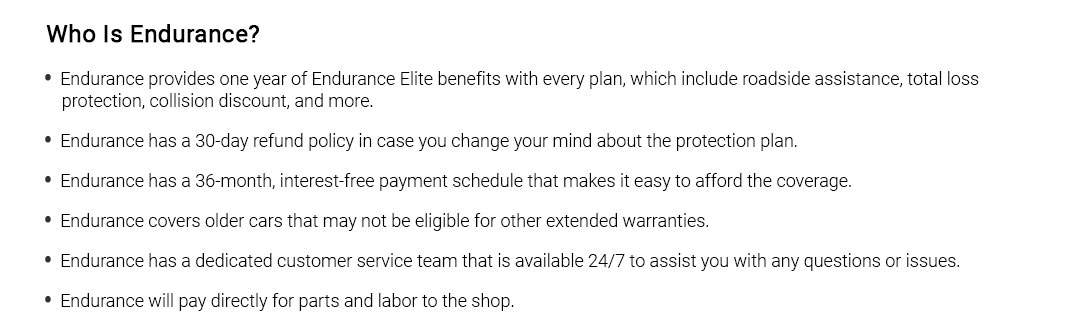
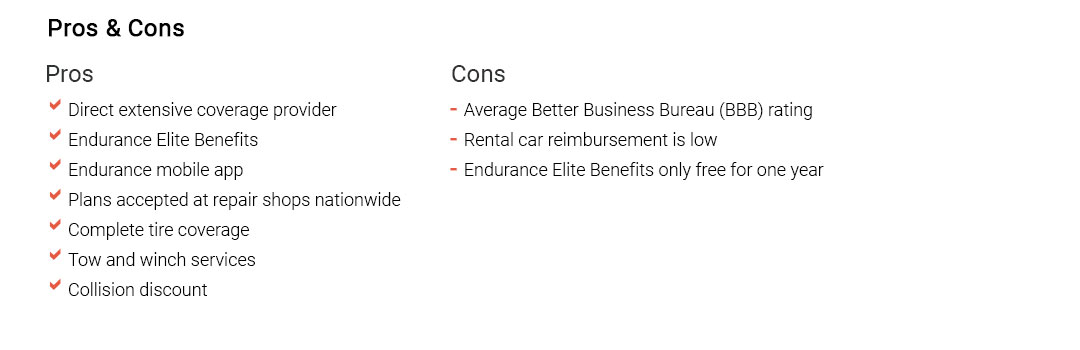
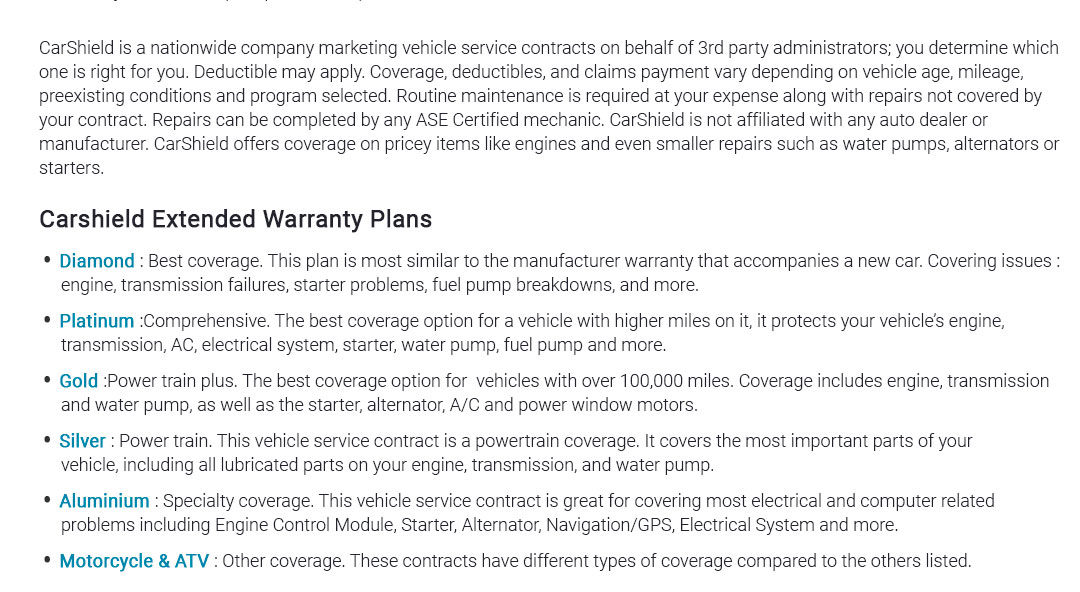
Reputable third-party vehicle service contracts: Can be useful for older or out-of-factory-warranty vehicles, but contract language, repair-shop access, cancellation rules, and claim approval standards are especially important.
Coverage details that separate strong warranties from weak ones
A good car warranty should be easy to understand before you need a repair. Look beyond the headline term and mileage limit, because the most important details are often in the exclusions.
Key coverage points to review
Bumper-to-bumper or comprehensive coverage: Usually covers many major systems, but it still excludes wear items and routine maintenance.
Powertrain coverage: Typically focuses on the engine, transmission, and drivetrain components.
Stated-component coverage: Covers only the parts named in the contract.
Exclusionary coverage: Covers most parts unless they are specifically excluded, often making it broader than stated-component plans.
Hybrid and EV coverage: Battery, electric motor, charging system, and high-voltage components may have separate rules.
Roadside assistance and rental reimbursement: Helpful benefits, but limits may apply by day, repair type, or claim amount.
Questions to ask before choosing a car warranty
Who backs the warranty? Factory-backed coverage, dealer-backed coverage, and third-party contracts can work very differently.
Where can repairs be done? Some plans require a dealer, while others allow licensed repair facilities.
Is prior authorization required? Many service contracts require approval before repairs begin.
What is excluded? Common exclusions may include maintenance, brake pads, tires, cosmetic issues, abuse, modifications, and pre-existing conditions.
Is there a deductible? Deductibles may apply per visit or per repair, depending on the plan.
Can the warranty transfer to a new owner? Transferability can improve resale appeal, but rules and fees vary.
Can it be canceled? Cancellation terms differ by provider, contract, and location.
How to choose the right warranty for your car
If you are buying new, compare the factory warranty first because it is included with the vehicle and is usually the simplest coverage to use. If you are buying used, certified pre-owned coverage can offer a balanced mix of inspection standards, manufacturer support, and added protection.
If your car is older, out of warranty, or expensive to repair, an extended service contract may be worth comparing. Focus on the contract itself, not just the sales pitch. The best choice is the one that clearly covers the repairs you are most concerned about, fits your expected ownership period, and gives you convenient service options in your area.