 |
 |
 |
 |
 |
 |
 |
 |
 |
|||
 |
 |
|
|||||||
 |
|||||||
 |
|||||||
 |
|||||||
 |
|||||||
|
|||||||






|
||||||
 |
||||||
 |
||||||
 |
||||||
|






 |
 |
 |
 |
 |
 |
 |
|
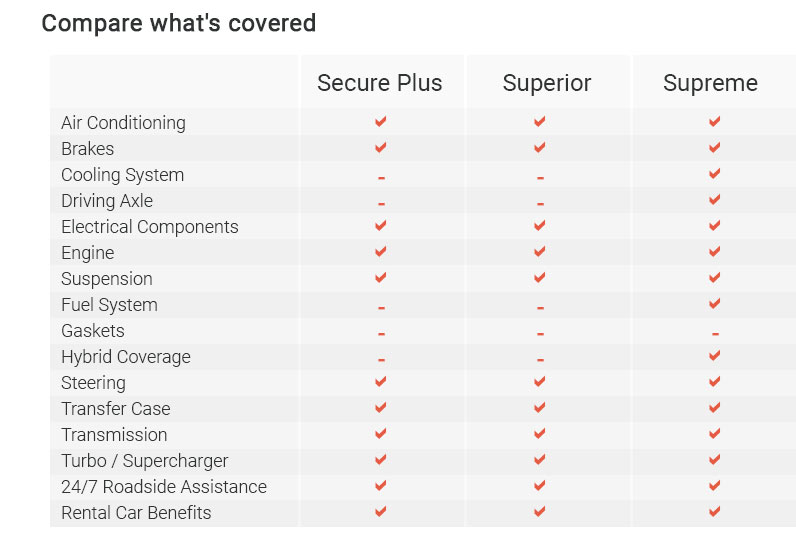
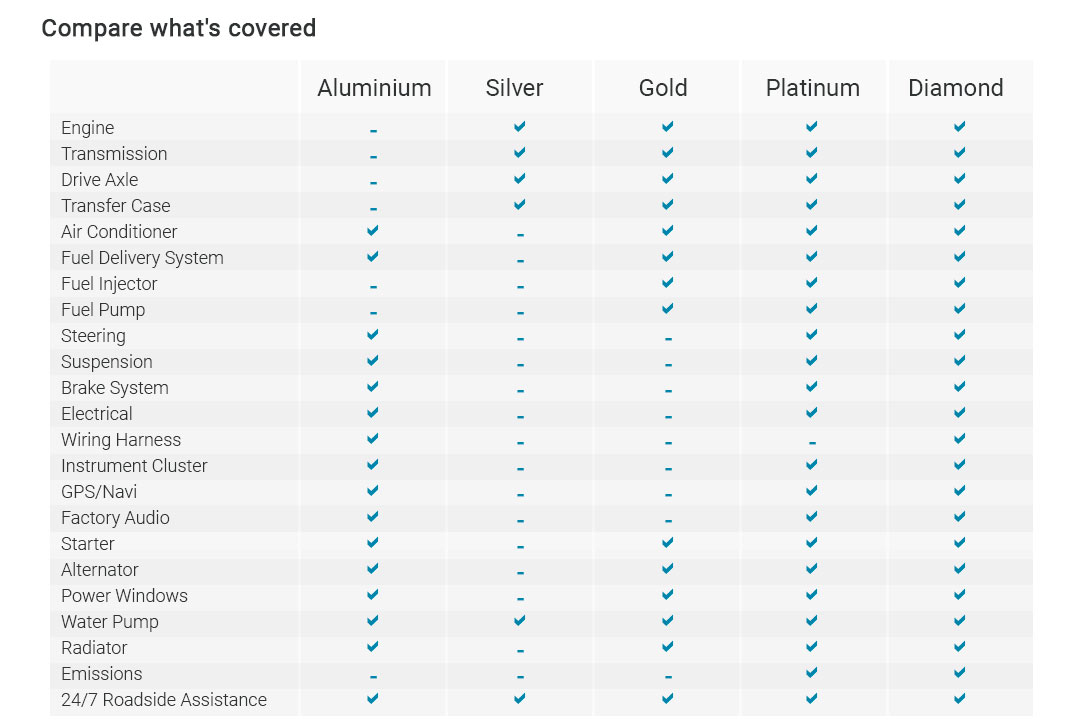
Used Car Extended Warranty in California: What It Usually Means A used car extended warranty California buyer sees advertised is usually a vehicle service contract rather than a traditional factory warranty. A factory warranty is provided by the vehicle manufacturer and may still apply if the used car is within its original coverage period. A service contract is a separate agreement that may help pay for certain repairs after the factory warranty expires or when no manufacturer warranty remains. Coverage, exclusions, repair rules, cancellation terms, and claim procedures can vary widely by dealer, administrator, provider, and plan type. Before buying, review the full contract rather than relying only on a brochure or verbal explanation. What a Used Car Warranty or Service Contract May CoverPlans for used vehicles may range from basic powertrain coverage to more comprehensive exclusionary coverage. The right choice depends on the car’s age, mileage, condition, repair history, and how long you plan to keep it. Common covered components
Common exclusions
California consumers should be especially careful to distinguish between a dealer’s promise, a manufacturer-backed plan, and a third-party service contract. The document should identify who is responsible for paying claims, where repairs can be performed, and what steps are required before work begins. Questions to ask
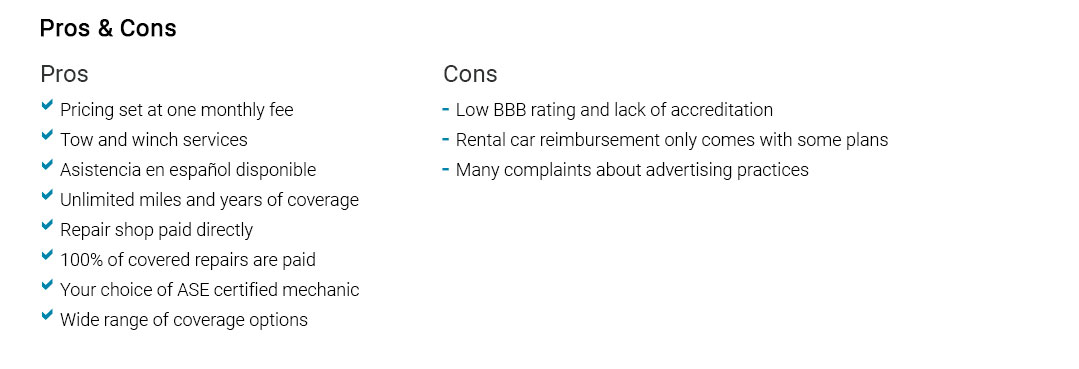
If a term is important to you, make sure it appears in writing. Verbal assurances may not control how a claim is handled. How to Compare Used Car Extended Warranty OptionsWhen comparing used car extended warranty options in California, focus on the contract’s real repair value rather than only the monthly payment or sales pitch. A cheaper plan may exclude the most expensive systems, while a broader plan may still deny claims if maintenance records are missing or repair procedures are not followed.
A service contract may be worthwhile if the used car is no longer under factory warranty, has expensive components, or would create financial stress if a major repair occurred. It may also provide convenience if it includes towing, rental assistance, and nationwide repair options. You may choose to skip coverage if the vehicle is still well protected by an existing warranty, the contract has broad exclusions, the provider is unclear, or you are comfortable setting aside money for repairs. It is also wise to reconsider if the seller pressures you to decide immediately or will not provide the complete contract before purchase. The best decision comes from comparing the vehicle’s condition, your budget, the provider’s responsibilities, and the written terms. For California used car buyers, clarity in the contract is more important than the label “extended warranty.”
Main Topic:
Legal Warranty For Used Cars
https://www.endurancewarranty.com/learning-center/mechanical-breakdown-insurance/how-californias-extended-warranty-law-has-evolved-over-time/
In simple terms, an extended warranty is a contract that provides coverage after a car's factory warranty or dealership warranty expires. https://www.reddit.com/r/rav4club/comments/192sb3s/shopping_for_extended_warranty_in_california/
I have checked with the Midwest dealers, who seem to do good discounts, but they have told me that California does not allow them to sell extended warrantees ...
|
