 |
 |
 |
 |
 |
 |
 |
 |
 |
|||
 |
 |
|
|||||||
 |
|||||||
 |
|||||||
 |
|||||||
 |
|||||||
|
|||||||





|
||||||
 |
||||||
 |
||||||
 |
||||||
|




 |
 |
 |
 |
 |
 |
 |
|
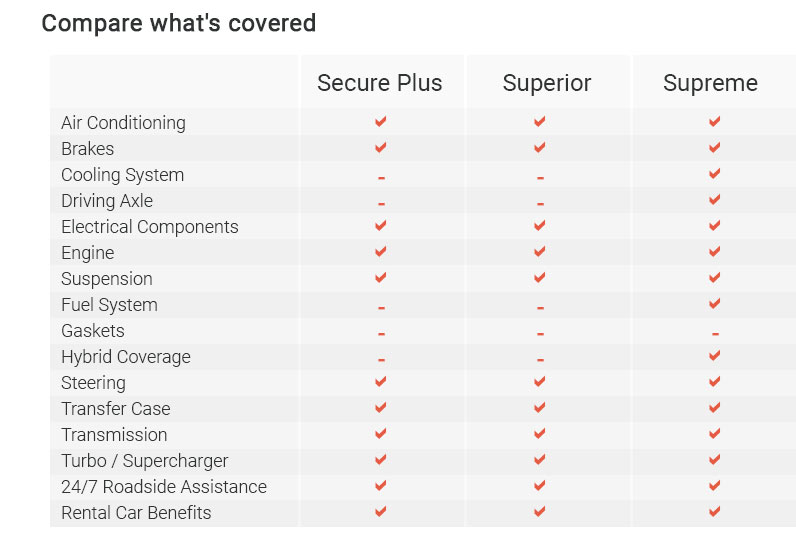
What Used Vehicle Warranty Insurance Covers Used vehicle warranty insurance is designed to help pay for certain repair costs after a covered mechanical or electrical failure. It is often used for cars, vans, SUVs, and other pre-owned vehicles that are no longer fully protected by the manufacturer’s original warranty. Coverage varies by provider and policy, but it may include major components such as the engine, transmission, drivetrain, steering, suspension, cooling system, air conditioning, fuel system, and selected electrical parts. Some plans are broad and resemble bumper-to-bumper protection, while others only cover listed components. It is important to understand that this type of protection is not the same as standard motor insurance. Regular auto insurance usually deals with accidents, theft, fire, or liability. A used vehicle warranty plan focuses on unexpected breakdowns caused by covered part failure, subject to the terms of the agreement. Key Benefits for Used Car OwnersA used car can be reliable, but repair costs may become unpredictable as the vehicle gets older or gains mileage. Warranty insurance can provide financial protection and make ownership costs easier to manage.
Before choosing used vehicle warranty insurance, read the policy wording carefully. The most important details are usually found in the exclusions, claim conditions, and maintenance requirements. Coverage typeSome policies cover only parts specifically named in the contract. Others exclude only the parts listed as not covered. An exclusion-based policy is often broader, but the actual level of protection depends on the provider. Vehicle eligibilityAge, mileage, service history, vehicle use, modifications, and previous damage can affect eligibility. Commercial use, ride-hailing, delivery work, imported vehicles, or performance modifications may require special approval or may be excluded. Deductibles and claim limitsCheck whether there is an excess per claim, a maximum payout per repair, an annual limit, or a total claim limit based on the vehicle’s value. These limits can significantly affect the real benefit of the policy. Repair approval processMany providers require authorization before repairs begin. If work is started without approval, the claim may be reduced or declined. Common Exclusions and LimitationsUsed vehicle warranty cover does not pay for every problem. Policies commonly exclude wear-and-tear items, cosmetic issues, routine maintenance, and damage caused by neglect or improper use.
Because exclusions differ widely, compare the actual contract rather than relying only on a summary or sales description. How to Compare Used Vehicle Warranty InsuranceThe best policy is not always the cheapest. A useful comparison looks at coverage quality, claim rules, provider reputation, and how the vehicle will be used.
For the strongest protection, choose a plan that clearly explains what is covered, what is excluded, how claims are handled, and what responsibilities you must meet as the vehicle owner.
Main Topic:
Types Of Used Car Warranties
https://www.youtube.com/watch?v=viprRcuktF8
ALA Insurance : https://tinyurl.com/j4kv696w (Use code JIM10) Used CAR WARRANTY EXPOSED (& Explained) We take a deep dive into car ... https://www.automoblog.com/reviews/auto-warranty/used-car-warranty-buying-guide/
Used car warranties will cover the cost of repairing or replacing certain components on your vehicle in the case of a mechanical breakdown. In ... https://www.endurancewarranty.com/learning-center/extended-warranty/used-cars/
A VSC does, however, provide repair coverage for your vehicle after the manufacturer's car warranty expires. A VSC is a contract between you and ...
|
