 |
 |
 |
 |
 |
 |
 |
 |
 |
|||
 |
 |
|
|||||||
 |
|||||||
 |
|||||||
 |
|||||||
 |
|||||||
|
|||||||






|
||||||
 |
||||||
 |
||||||
 |
||||||
|






 |
 |
 |
 |
 |
 |
 |
|
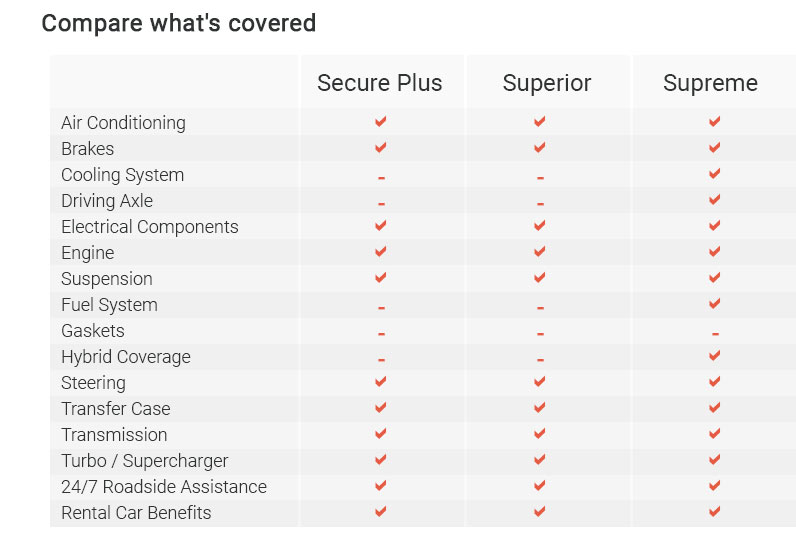
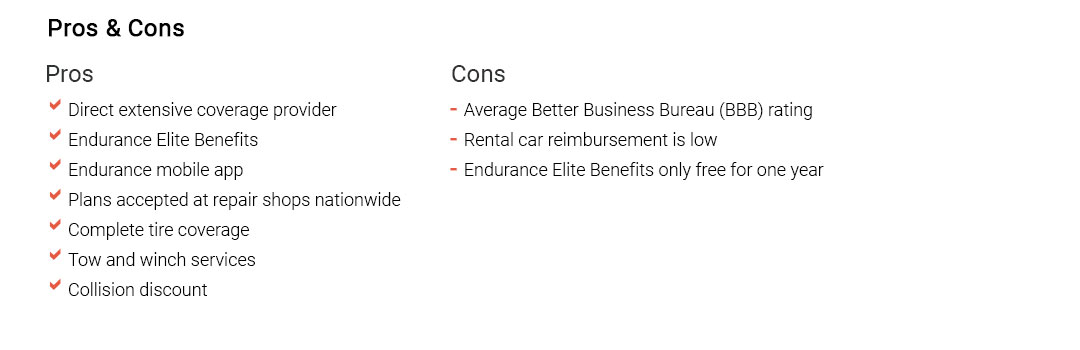
Car Plan Warranty Review: What It Usually Covers A car plan warranty review should start with the basics: what the plan promises to pay for, what it excludes, and how claims are handled. Most car warranty plans, often called vehicle service contracts, are designed to help cover certain repair costs after the original manufacturer warranty has expired. Coverage varies widely by provider and contract level. A basic plan may focus on major components such as the engine, transmission, and drivetrain, while a more comprehensive plan may include electrical systems, air conditioning, steering, suspension, and onboard technology. Some plans also include roadside assistance, towing, rental car reimbursement, or trip interruption benefits, but these extras are not guaranteed. The most important detail is the written contract. Marketing language can sound broad, but the contract controls what is actually covered. Pay close attention to whether the plan is an exclusionary contract, which lists what is not covered, or a stated-component contract, which only covers parts specifically named in the agreement. Key Pros and Cons of Car Warranty PlansPotential advantages
Possible drawbacks
Before choosing a plan, compare more than the monthly payment. A low-cost contract may have narrow coverage, high deductibles, strict repair rules, or limited claim flexibility. A good car warranty plan should clearly explain coverage limits, cancellation terms, waiting periods, and how approved repairs are paid.
If any term is unclear, ask for the full contract before purchasing. Verbal promises should not replace written coverage terms. Common Complaints Found in Warranty ReviewsMany negative warranty reviews come from misunderstandings about coverage. A driver may expect the plan to cover every breakdown, but most contracts exclude maintenance items such as brake pads, tires, wiper blades, filters, fluids, belts, hoses, and regular tune-ups. Damage caused by neglect, modifications, overheating, lack of maintenance records, or pre-existing conditions may also be denied. Another common issue is claim authorization. Providers often require the repair shop to diagnose the problem and obtain approval before work begins. If repairs are completed before authorization, the claim may not be paid. Some contracts also cap labor rates, parts pricing, or total payout, which can leave the vehicle owner responsible for the difference. Positive reviews usually mention clear terms, fast claim decisions, helpful customer service, and direct payment to repair shops. Negative reviews often mention denied claims, long wait times, cancellation difficulties, or confusion about what the salesperson said versus what the contract states. Bottom Line: Is a Car Plan Warranty Worth It?A car plan warranty can be worth considering if your vehicle is no longer covered by the manufacturer warranty, repair costs would strain your budget, and the contract covers the systems most likely to fail on your specific vehicle. It may be less useful if your car is still under factory coverage, you have a strong emergency fund, or the plan excludes the repairs you are most concerned about. The best approach is to compare the plan cost with your vehicle’s age, mileage, reliability history, maintenance condition, and expected repair needs. Also consider whether you prefer paying for possible repairs as they happen or paying in advance for protection against certain covered breakdowns. For a fair review, judge any warranty plan by the written agreement, claim process, exclusions, deductible, provider reputation, and cancellation terms. A plan that is clear, fairly priced, and matched to your vehicle can offer peace of mind, but no warranty plan covers everything.
Main Topic:
Auto Extended Warranty Company Reviews
https://www.sitejabber.com/reviews/carcareplan.com
I did not use the warranty side of the plan. I bought the plan from a ... https://www.trustpilot.com/review/carcareplan.com?page=3
Do you agree with Car Care Plan's 4-star rating? Check out what 6332 people have written so far, and share your own experience. | Read 41-60 Reviews out of ... https://ie.trustpilot.com/review/carcareplan.com
I brought my car about 6 months ago and decided to go for the extended warranty for peace of mind. So about a month ago I noticed the coolant going down ...
|
