 |
 |
 |
 |
 |
 |
 |
 |
 |
|||
 |
 |
|
|||||||
 |
|||||||
 |
|||||||
 |
|||||||
 |
|||||||
|
|||||||






|
||||||
 |
||||||
 |
||||||
 |
||||||
|





 |
 |
 |
 |
 |
 |
 |
|
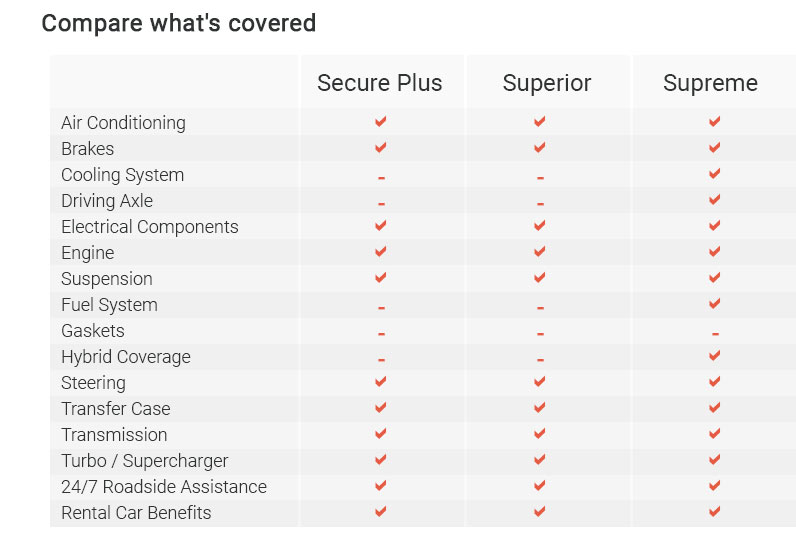
How to Find Car Warranty Companies Near Me Searching for car warranty companies near me usually means you want local help comparing vehicle protection plans, understanding coverage, or getting support after a factory warranty has expired. The best option may be a local dealership, an independent vehicle service contract provider, a credit union partner, or an online company that works with repair shops in your area. Start by confirming what type of protection you need. A manufacturer-backed extended warranty is typically sold through a dealership and may require service at approved locations. A third-party vehicle service contract may offer more flexibility, but coverage, claim rules, and repair facility options vary by provider and plan. What a Car Warranty Company May CoverCoverage depends on the contract, the vehicle’s age and mileage, and the provider’s rules. Always read the sample contract before buying, because plan names can sound similar while covering very different repairs. Common coverage areas
Routine maintenance, wear-and-tear items, cosmetic damage, pre-existing conditions, misuse, and modifications are often excluded unless the contract clearly states otherwise. Questions to Ask Before Choosing a Local ProviderBefore signing with a car warranty company, ask direct questions and request written answers in the contract or plan documents. Verbal promises are not enough.
If a company avoids these questions or pressures you to buy immediately, consider comparing other providers. How to Compare Car Warranty Companies Near YouA good comparison should go beyond price. A cheaper plan may cost more later if it has broad exclusions, limited repair options, or a difficult claims process. Compare these details
Availability and terms can vary by state, vehicle, dealership, and provider, so local quotes may differ even for similar vehicles. When a Car Warranty Plan Makes SenseA vehicle protection plan may be useful if your car is out of factory warranty, you plan to keep it for several more years, and you prefer predictable repair costs. It may also be worth considering for vehicles with expensive parts, complex electronics, or higher repair risks as they age. It may be less useful if your car is still under strong factory coverage, you can comfortably pay for unexpected repairs, the plan has many exclusions, or the cost is close to the repairs you are most likely to need. Before choosing a provider, compare at least a few local and national options, read the full contract, and confirm that nearby repair facilities will work with the warranty company you select.
Main Topic:
Private Car Warranty Companies
https://www.bbb.org/us/ny/new-york/category/auto-warranty-services
BBB Directory of Auto Warranty Services near New York, NY. Your guide to trusted BBB Ratings, customer reviews and BBB Accredited businesses. https://www.pennwarranty.com/
This company helped me out a TON with out of pocket expenses. I was so ... https://www.aamcobrooklyn-atlanticave.com/New-Car-Warranty
I liked that they took me around the shop and explained everything to me.
|
