 |
 |
 |
 |
 |
 |
 |
 |
 |
|||
 |
 |
|
|||||||
 |
|||||||
 |
|||||||
 |
|||||||
 |
|||||||
|
|||||||






|
||||||
 |
||||||
 |
||||||
 |
||||||
|




 |
 |
 |
 |
 |
 |
 |
|
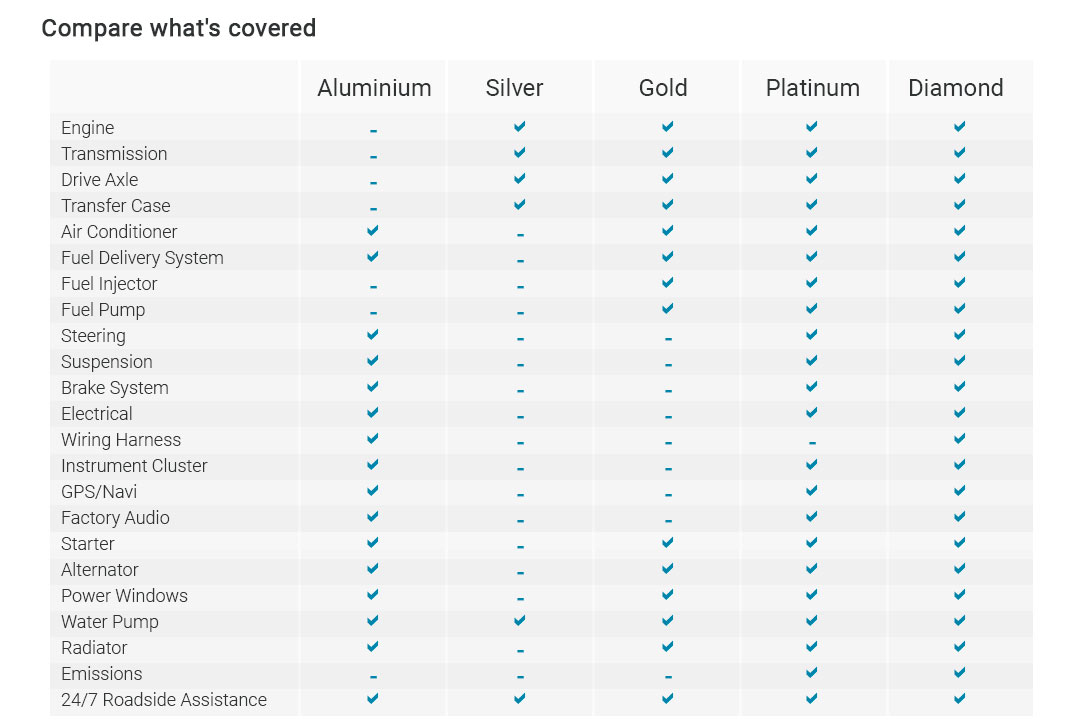
How to Compare Car Warranties for Used Cars To compare car warranties for used cars effectively, start by identifying what type of protection is actually being offered. A used vehicle may have remaining manufacturer coverage, a certified pre-owned warranty, a dealer limited warranty, or a separate vehicle service contract from a third-party provider. These options can look similar, but they may differ significantly in coverage, claim rules, repair locations, and exclusions. Used car warranty terms can also vary by vehicle age, mileage, condition, location, seller, and provider. Before relying on any promise, ask for the full written contract and read the exclusions, not just the summary page. Main Types of Used Car Warranty CoverageRemaining factory warrantySome used cars are still covered by the original manufacturer warranty. Confirm the in-service date, mileage limit, transfer rules, and whether any coverage has already expired. Certified pre-owned warrantyA certified pre-owned vehicle may include added coverage backed by the manufacturer or selling dealer. Check whether it extends the original warranty or starts after existing coverage ends. Dealer limited warrantyA dealer may offer short-term limited protection on specific components. Coverage can be narrow, so review what parts and labor are included. Third-party service contractA service contract is not always the same as a manufacturer warranty. It may provide useful repair protection, but terms, claim approval, deductibles, and repair facility rules matter. Coverage Details That Matter MostWhen comparing used car warranties, focus on the parts most likely to create expensive repairs and the conditions that could prevent a claim from being approved.
The best used car warranty is not just the one with the longest term. A shorter plan with clear coverage and simple claim handling may be more useful than a longer plan with broad exclusions.
Use this checklist before choosing coverage for a used vehicle:
If the contract language is unclear, ask for clarification before signing. The right choice depends on the specific car, how long you plan to keep it, your repair budget, and the strength of the written coverage.
Main Topic:
Types Of Used Car Warranties
https://www.caranddriver.com/research/a32766838/best-car-warranty-quick-comparison-guide/
Factory Warranty: These warranties come with new cars, and they cover whatever the manufacturer deems appropriate. - Extended Warranty: Extended warranties ... https://www.autolist.com/guides/best-used-car-warranty-companies
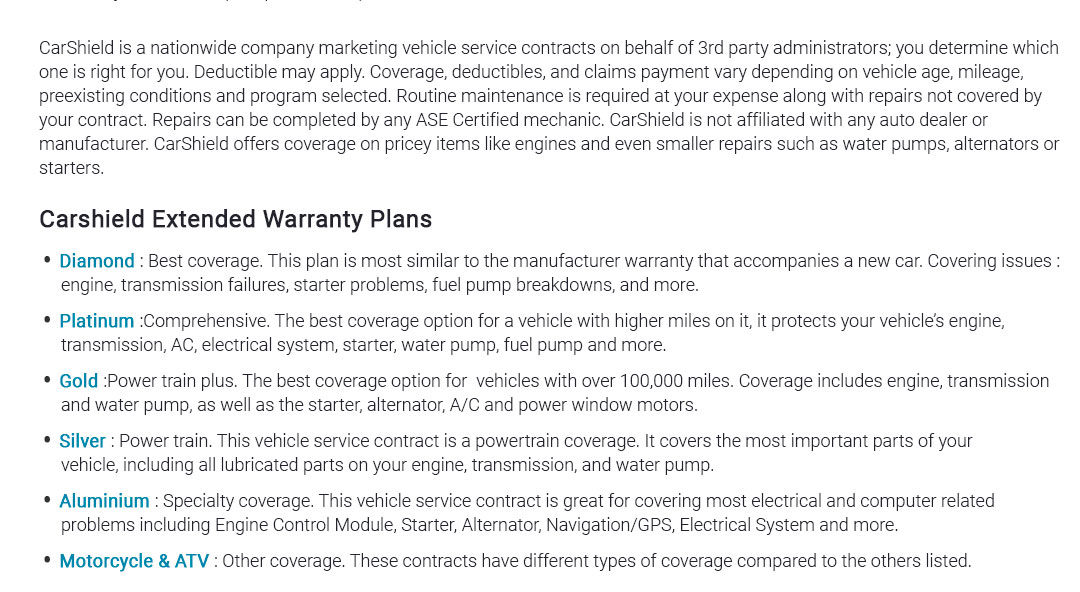
CarShield: Platinum Coverage: CarShield partners with American Auto Shield to offer Platinum coverage for used cars with higher mileage. To find ... https://www.edmunds.com/car-buying/10-best-certified-pre-owned-car-programs.html
Warranty: Valid for a minimum of two years after the expiration of the four-year/50,000-mile new-vehicle basic warranty or two years from the ...
|
