 |
 |
 |
 |
 |
 |
 |
 |
 |
|||
 |
 |
|
|||||||
 |
|||||||
 |
|||||||
 |
|||||||
 |
|||||||
|
|||||||






|
||||||
 |
||||||
 |
||||||
 |
||||||
|





 |
 |
 |
 |
 |
 |
 |
|
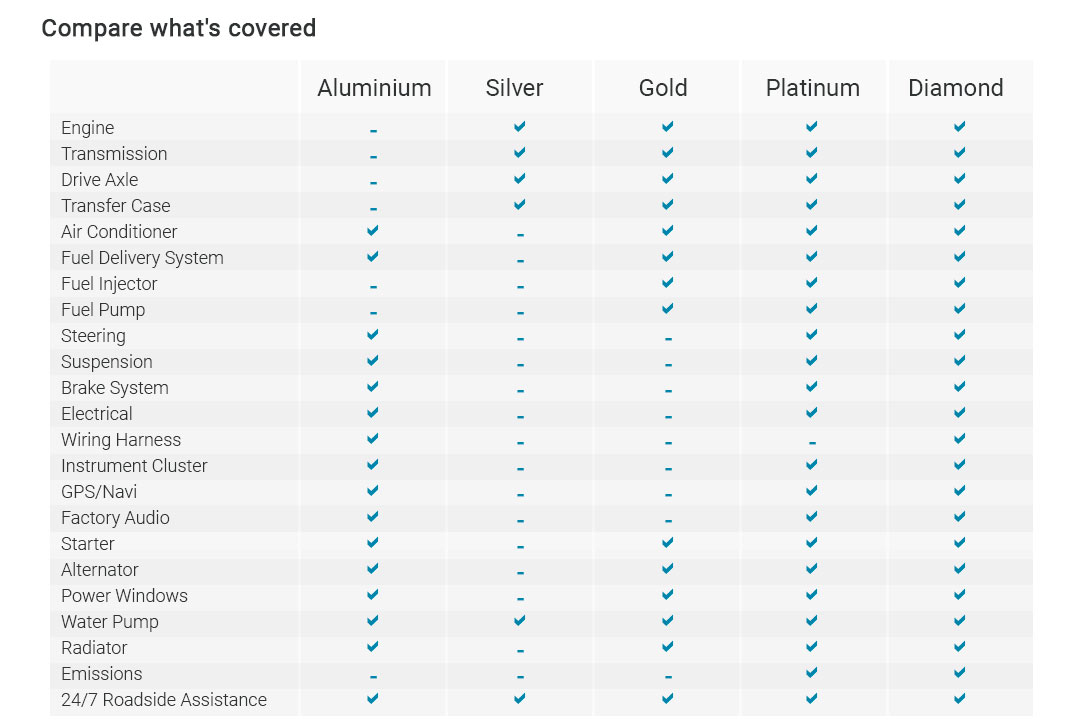
How to Compare Warranty on Used Cars To compare warranty on used cars, look beyond the headline promise and read what the warranty actually covers, how long it lasts, and what you must do to keep it valid. A used car may come with a remaining manufacturer warranty, a dealer warranty, a certified pre-owned warranty, or an optional service contract. Each one can offer very different protection. The best comparison starts with the vehicle’s age, mileage, service history, and likely repair costs. A longer warranty is not always better if it excludes the parts most likely to fail. Likewise, a shorter warranty can be valuable if it provides clear coverage for major components such as the engine, transmission, drivetrain, or key electrical systems. Main Types of Used Car WarrantyRemaining manufacturer warrantySome used cars still have part of the original factory warranty left. This can be one of the strongest forms of coverage because it is usually backed by the vehicle manufacturer. Coverage, transfer rules, and expiry limits depend on the brand, model, age, mileage, and country. Certified pre-owned warrantyA certified pre-owned vehicle may include an extended warranty after passing a manufacturer or dealer inspection. These warranties often provide broader reassurance than a basic used car warranty, but the exact inspection standard and coverage terms can vary. Dealer warrantyA dealer may include a limited warranty for a set time or mileage after purchase. Some cover only major mechanical faults, while others include more systems. Always confirm whether parts, labor, diagnostics, and towing are included. Extended warranty or service contractAn extended warranty, often structured as a service contract, is usually optional and paid separately. It can reduce the risk of large repair bills, but exclusions, claim limits, deductibles, and approved repair networks are important to review before buying. What to Check Before Choosing Coverage
Ask for the warranty terms before you commit to the car. Verbal assurances are not enough; the written document is what matters if a fault appears later. Making the Right Used Car Warranty DecisionWhen comparing used car warranty options, match the coverage to the vehicle’s risk. A newer used car with low mileage and a clean service record may already have strong protection if the factory warranty remains. An older car, a high-mileage vehicle, or a model with expensive specialist parts may need closer attention to exclusions and claim limits. Do not judge value only by the length of the warranty. A clear, comprehensive plan with fair repair rules can be more useful than a long warranty filled with exclusions. Before buying, compare the warranty document with the vehicle inspection report, service records, and your expected ownership period. This gives you a more realistic view of how much protection the warranty will actually provide.
Main Topic:
Types Of Used Car Warranties
https://www.cars.com/car-warranty/money/best-car-warranty-companies/
Third-party warranties for used vehicles usually include less coverage than a manufacturer's warranty and may only cover specific parts of the ... https://www.marketwatch.com/insurance-services/car-warranty/best-used-car-warranty/
1. Carchex. 4.4. Carchex Warranty Review. https://www.caranddriver.com/research/a32766838/best-car-warranty-quick-comparison-guide/
Types of Warranties - Factory Warranty: These warranties come with new cars, and they cover whatever the manufacturer deems appropriate. - Extended Warranty: - CPO ...
|
