Extended Warranty on Car Reddit: What Drivers Usually Mean
When people discuss an extended warranty on car reddit threads, they are usually talking about whether a vehicle service contract is worth buying after the factory warranty ends. The main concern is simple: will the plan save more money than it costs, or will it create exclusions, claim delays, and frustration?
An extended car warranty is often not a true warranty from the manufacturer. Many plans are vehicle service contracts sold by dealers, third-party companies, credit unions, insurers, or automakers. Coverage, claim rules, repair shop access, deductibles, cancellation terms, and exclusions can vary widely by provider and contract.
Common Reddit-Style Arguments For and Against Buying One
Why some drivers buy coverage
Budget protection: A major repair can be expensive, and some owners prefer predictable costs.
Complex vehicles: Cars with advanced electronics, turbocharged engines, hybrid systems, luxury features, or all-wheel-drive components may have costly repairs.
Used car uncertainty: Buyers who do not know the full maintenance history may want extra protection.
Peace of mind: Some people value convenience even if they might not come out ahead financially.
Why others avoid it
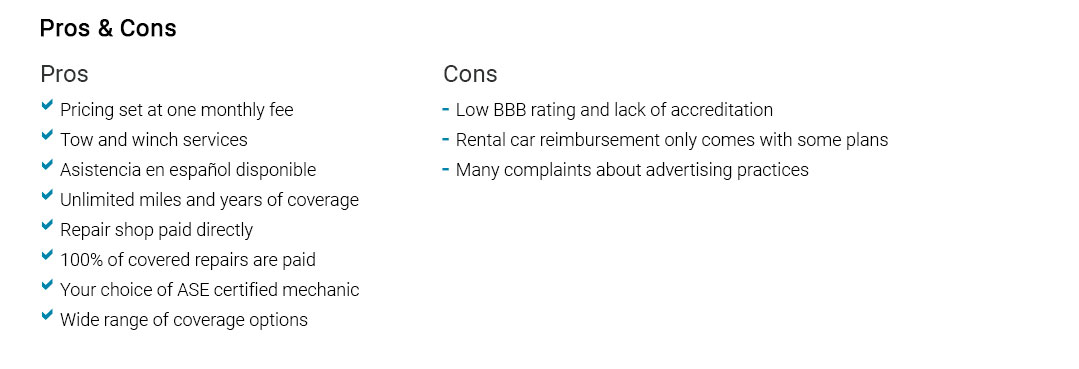
Many contracts have exclusions: Wear items, maintenance, pre-existing problems, diagnostics, seals, fluids, or certain electronics may not be covered.
Claims can be denied: Providers may require maintenance records or proof that the failure meets contract terms.
Total cost may exceed repairs: If the car is reliable, the plan may never pay out meaningfully.
Sales pressure can be high: Some offers are presented as urgent even when the buyer has time to compare options.
How to Decide If an Extended Car Warranty Makes Sense
The best decision depends on the vehicle, your finances, and the exact contract. A plan may be reasonable for one driver and unnecessary for another.
Check what factory coverage remains. If the original bumper-to-bumper or powertrain warranty is still active, immediate extra coverage may not be needed.
Research common repairs for your specific year, make, model, engine, and trim. Reliability can differ even within the same model line.
Compare the contract price with likely repair costs. Consider the deductible, taxes, diagnostic charges, and whether labor rates are fully covered.
Look at your emergency fund. If you can comfortably pay for repairs, self-insuring may be better. If one major repair would create hardship, coverage may be more appealing.
Consider how long you will keep the car. A long contract is less useful if you may sell or trade the vehicle soon, unless it is transferable and that matters to a buyer.
Contract Details to Read Before Paying
Before buying any vehicle service contract, read the full agreement rather than relying on a brochure or verbal explanation. The written contract controls what is actually covered.
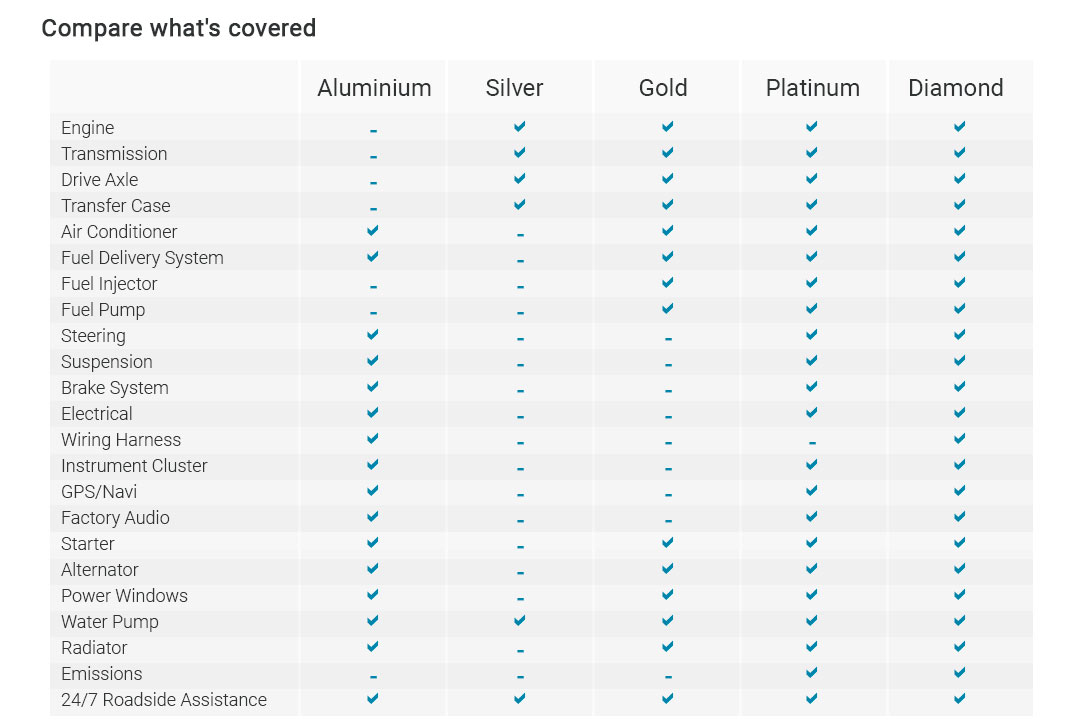
Covered components: Confirm whether the plan is exclusionary, named-component, powertrain-only, or something else.
Exclusions: Look for limits on wear and tear, overheating, modified vehicles, commercial use, neglect, corrosion, leaks, gaskets, software, and maintenance-related failures.
Deductible rules: Some deductibles apply per visit, while others apply per repair. This changes the real cost.
Repair shop rules: Check whether you must use a dealer, a network shop, or any licensed repair facility.
Claim process: Many providers require approval before repairs begin. Unauthorized repairs may not be reimbursed.
Payment method: Ask whether the provider pays the shop directly or reimburses you after you pay upfront.
Cancellation and refund terms: Understand whether you can cancel, whether the refund is prorated, and whether fees apply.
Transferability: If you may sell the car privately, a transferable plan could add value, but the rules vary.
Practical Buying Tips and Red Flags
If you are considering an extended warranty for a car, slow down and compare several options. You usually do not need to decide during a single phone call or dealership visit.
Smart steps
Ask for the full sample contract before agreeing to anything.
Compare manufacturer-backed plans, dealer options, credit union offerings, and reputable third-party providers if available.
Get the total price in writing, including deductible and financing charges if rolled into a loan.
Verify how maintenance records must be kept.
Ask your preferred repair shop whether they have experience with the provider.
Warning signs
High-pressure claims that coverage must be purchased immediately.
Vague promises such as “everything is covered” without a written exclusion list.
Robocalls or mailers implying your factory warranty is expiring without clearly identifying the seller.
Contracts that do not name the administrator, cancellation terms, or claim procedure clearly.
Prices that change dramatically only after you hesitate.
The safest approach is to treat the plan like insurance against repair risk, not a guaranteed money saver. Buy only if the coverage, cost, provider, and claim rules make sense for your specific vehicle and budget.