 |
 |
 |
 |
 |
 |
 |
 |
 |
|||
 |
 |
|
|||||||
 |
|||||||
 |
|||||||
 |
|||||||
 |
|||||||
|
|||||||






|
||||||
 |
||||||
 |
||||||
 |
||||||
|





 |
 |
 |
 |
 |
 |
 |
|
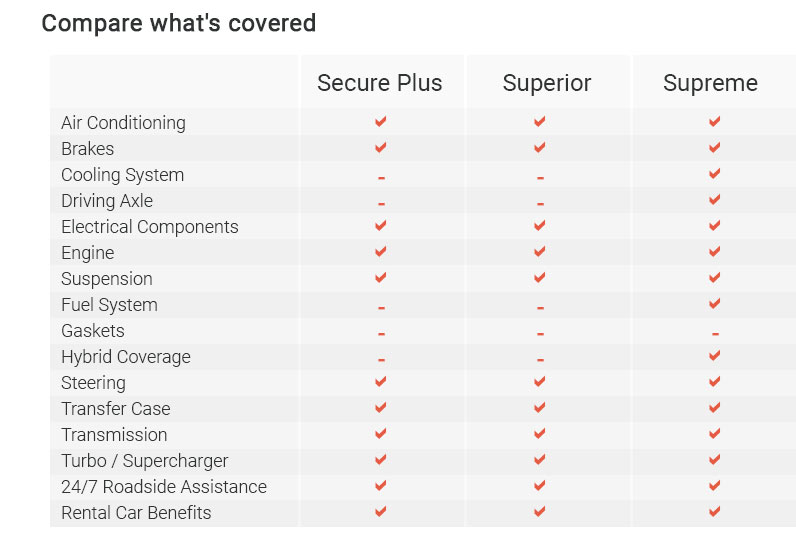
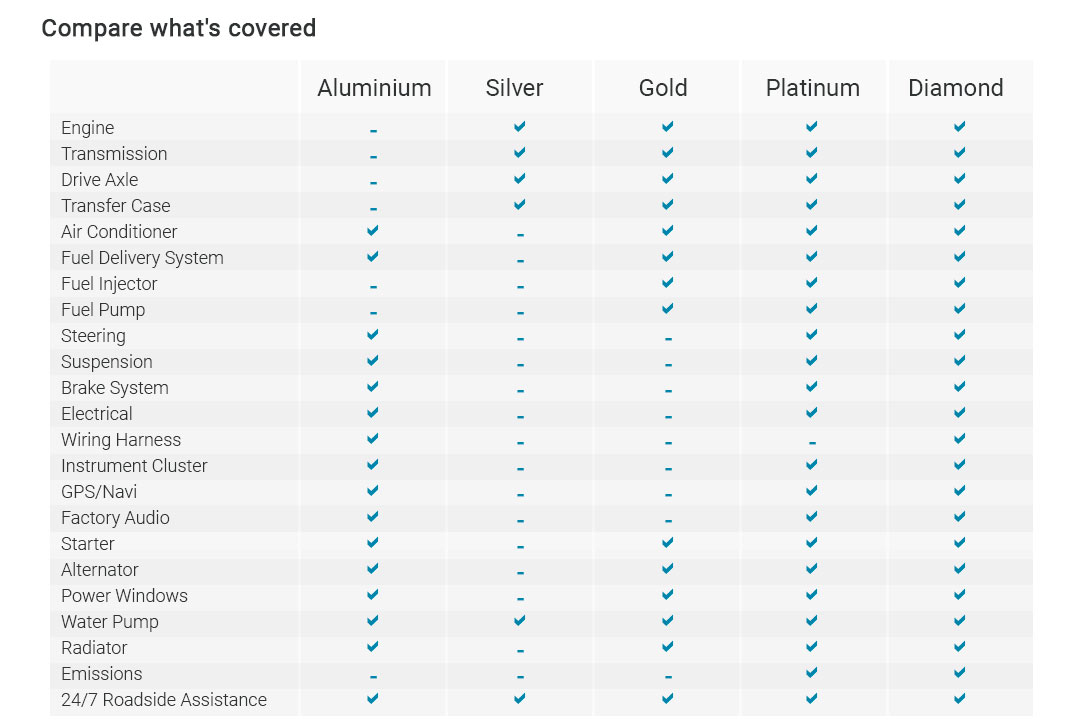
Choosing a First Time Car Warranty Provider Finding a first time car warranty provider can feel confusing if you have never bought vehicle protection before. The right provider should explain coverage clearly, help you understand what is included, and make it easy to compare plans based on your vehicle, mileage, driving habits, and budget. A car warranty or vehicle service contract can help pay for certain covered repairs after a breakdown. Coverage varies by provider and plan, so it is important to review the contract before you agree to anything. Look for simple terms, transparent exclusions, reliable claims support, and repair options that fit how and where you drive. What a Car Warranty Can CoverCoverage depends on the type of plan you choose. Some plans focus on major vehicle systems, while others include a broader range of mechanical and electrical components. A first-time buyer should compare coverage levels carefully instead of choosing based only on the monthly cost. Common coverage areas
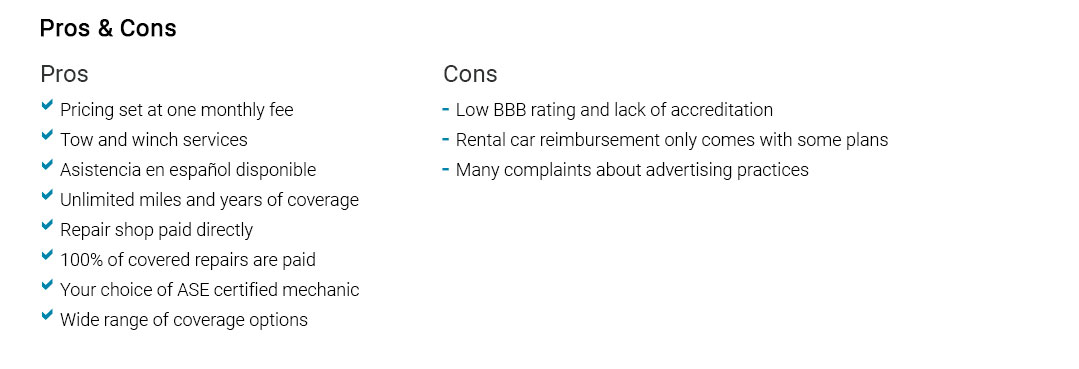
Routine maintenance, wear-and-tear items, cosmetic damage, pre-existing issues, and damage caused by neglect are commonly excluded, but exclusions differ by contract. How to Compare Providers for the First TimeWhen comparing warranty providers, focus on the contract details and the customer experience, not just the sales presentation. A dependable provider should be willing to answer questions before you buy and should clearly explain how claims are handled. Important comparison points
A first-time warranty purchase should never feel rushed. Ask direct questions and compare the answers with the written contract. If a verbal promise is not included in the agreement, it may not apply.
Clear answers to these questions can help you avoid misunderstandings and choose coverage that matches your expectations. A Practical Way to StartIf you are choosing a first time car warranty provider, start by gathering your vehicle details, including year, make, model, mileage, ownership status, and any known repair history. Providers often use this information to determine available coverage options. Next, compare at least a few plans side by side. Look at covered components, exclusions, deductibles, claim procedures, and cancellation terms. The best choice is not always the lowest-priced plan; it is the plan that gives you suitable protection, clear rules, and support you can realistically use when a covered breakdown happens. Before agreeing to coverage, read the contract in full and make sure the terms match what you were told. If anything is unclear, ask for clarification in writing. A good provider will help you understand the plan before you make a decision.
Main Topic:
Car Warranty Service Provider
https://autopom.com/first-time-car-buyers-guide/
Find a trustworthy company: Extended warranties aren't cheap, so you want to make sure you are going to get what you pay for. - Clarify what is ... https://www.crcu.org/should-i-get-an-extended-warranty-on-my-new-car-
An extended warranty offers the owner extra coverage for a longer period of time or for more mileage. The usage of the word warranty in this context is really ... https://www.firstmilewarranty.com/products/vehicle-service-contracts-vsc/
First Mile Vehicle Service Contracts is a registered trademark of Total Warranty Services.
|
