 |
 |
 |
 |
 |
 |
 |
 |
 |
|||
 |
 |
|
|||||||
 |
|||||||
 |
|||||||
 |
|||||||
 |
|||||||
|
|||||||






|
||||||
 |
||||||
 |
||||||
 |
||||||
|






 |
 |
 |
 |
 |
 |
 |
|
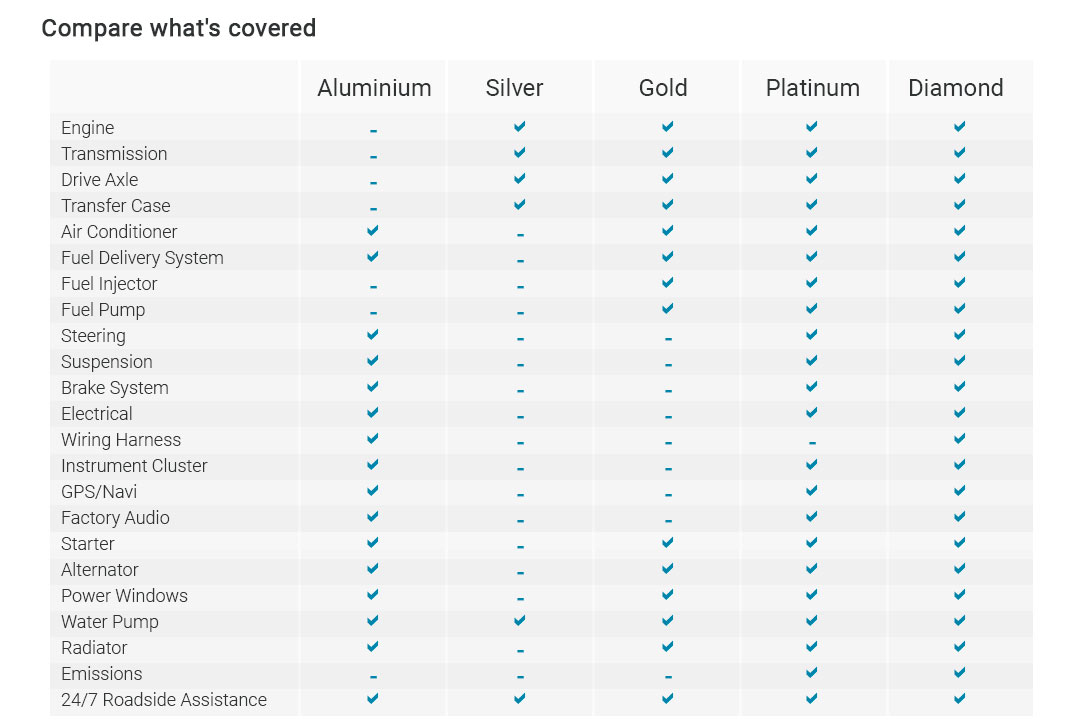
What the Route 66 warranty company offers The route 66 warranty company is commonly associated with vehicle service contracts sold through participating credit unions, banks, and other financial institutions. These contracts are designed to help pay for covered mechanical breakdowns after the manufacturer warranty has expired or when a used vehicle needs added protection. It is important to understand that this type of protection is not the same as an original factory warranty. A factory warranty comes from the vehicle manufacturer, while a Route 66 extended warranty is a service contract with its own terms, exclusions, claim process, and coverage limits. Typical coverage areas to reviewCoverage can vary by contract level, vehicle age, mileage, and the financial institution offering the plan. Before buying, review the actual contract rather than relying only on a brochure or verbal summary. Commonly covered components may include
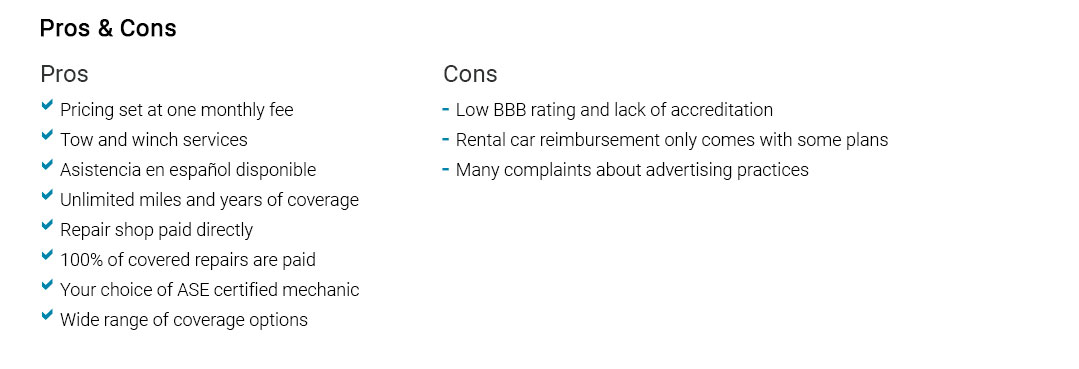
Items such as routine maintenance, tires, brake pads, cosmetic damage, pre-existing problems, and damage caused by neglect are usually excluded from extended vehicle service contracts, but exclusions should always be confirmed in writing. How repairs and claims usually workWhen a covered breakdown occurs, the vehicle owner typically takes the car to a licensed repair facility and the repair shop contacts the administrator for claim authorization before work begins. The administrator may request diagnostics, maintenance records, or additional inspection before approving payment. Many service contracts require prior authorization. If repairs are completed before approval, reimbursement may be reduced or denied. The contract should explain whether payment is made directly to the repair shop, whether a deductible applies, and whether benefits such as towing, rental car assistance, or travel interruption support are included. Benefits and limitations to considerA Route 66 extended warranty may be useful for drivers who want predictable repair protection on a used vehicle, especially when coverage can be arranged through a trusted credit union or lender. It may also help buyers include the cost in vehicle financing, depending on the lender’s policies. However, every contract has limits. Coverage may not apply to all repairs, and approval depends on the cause of failure and the contract terms. Vehicle condition, maintenance history, mileage, modifications, and commercial use can affect eligibility or claim decisions. The best way to judge value is to compare the contract cost with the vehicle’s reliability, expected ownership period, and your ability to pay for unexpected repairs out of pocket. Questions to ask before buyingBefore choosing the route 66 warranty company or any vehicle service contract provider, ask clear questions and keep copies of all documents.
Reading the full contract before signing is the most reliable way to understand what protection you are buying and whether it fits your vehicle and budget.
Main Topic:
Auto Extended Warranty Company Reviews
https://www.consumeraffairs.com/automotive/route-66-warranty.html
Route 66 Warranty is available only through partner financial institutions. With Route 66, claims have no deductible, and warranties are transferable if you ... https://www.route66warranty.com/customerform.asp
You're the best warranty company I've ever dealt with. I usually spend more time on the phone trying to get the claim completed than fixing the vehicle. You ... https://www.ontapcu.org/personal/route-66-roadside-assistance-and-warranty
That's why so many people depend on Route 66 Warranty. No matter where you travel in the United States, we protect you against major mechanical expenses, and ...
|
